
Sleep Dentistry: Sedation Options for Dental Treatment
Dental visits are not something everyone looks forward to, and for a good number of people, the anxiety goes well beyond mild nerves. Sleep dentistry in Singapore addresses this directly by using controlled sedation to support patients through treatment. It is widely used for patients with dental anxiety, a strong gag reflex, or those who need longer and more involved procedures. Patient safety and monitoring are central to how the procedure is carried out at every stage.
What Is Sleep Dentistry?
Sleep dentistry is a form of dental care that uses controlled sedation to support patients through treatment. The name can be a little misleading: it does not necessarily mean the patient is put fully to sleep. Sedation is applied at varying levels, chosen according to what the procedure requires and what the patient needs.
Some individuals require just enough sedation to take the edge off. Others benefit from deeper sedation that leaves them with very little awareness of the procedure. In most cases, patients remain responsive throughout, and many report feeling calmer than they would during a conventional appointment. For someone who has been putting off dental care because of fear or discomfort, it is worth discussing with the dental team whether sedation may be appropriate.
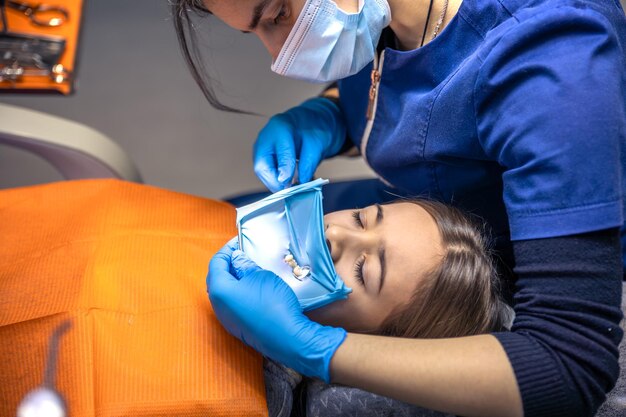
Sleep Dentistry Benefits
Some of the key benefits include:
- Intended to reduce emotional barriers to seeking dental care
- Supports completion of treatment that patients would otherwise keep postponing
- Can make routine procedures easier to approach for patients who find them difficult
- May help reduce the gag reflex response during treatment
- Supports patients in following through with treatment they might otherwise postpone
- Consistent dental care over time, which protects oral health in the long run
Who May Be Suitable for Sleep Dentistry?
Sleep dentistry is a reasonable option for quite a wide range of patients. Those with dental anxiety or genuine dental phobia are the most obvious candidates, but it is also well-suited to people facing longer procedures where maintaining composure for an extended period would be genuinely difficult.
Patients with a strong gag reflex may also be considered, as sedation can help reduce that response during treatment. A thorough evaluation is carried out before anything is decided, covering medical history and any relevant individual factors. This assessment exists to confirm the approach is appropriate for that specific person, not applied as a default.
How Sedation Dentistry Works
Sedation is provided at a dose calculated carefully based on what each patient requires. The shift to a state of relaxation is not immediate and takes a short time to take effect. The majority of patients report feeling sleepy and calm, with little attention paid to the procedure happening around them.
Throughout the session, the dental team monitors the patient and makes adjustments as needed to ensure everything proceeds as planned. That careful oversight continues right through until the patient is ready to leave.
Types of Sleep Dentistry Sedation
Not every patient requires the same degree of sedation. The decision is always made following a proper individual assessment, taking into account the procedure being performed and the patient's level of anxiety.
- Mild sedation:
suitable for patients who are only slightly nervous. The patient stays fully awake and aware but feels noticeably calmer. - Moderate sedation:
produces a deeper sense of relaxation. Most patients have little recollection of the procedure once it is over. - Deep sedation:
used for more complex or lengthy treatments, with the aim of keeping the patient at ease throughout the duration of the procedure.
In all cases, the aim is to use the least level required for the procedure. This is with a view to minimising risk and avoiding unnecessary intervention.
What to Expect During Sleep Dentistry
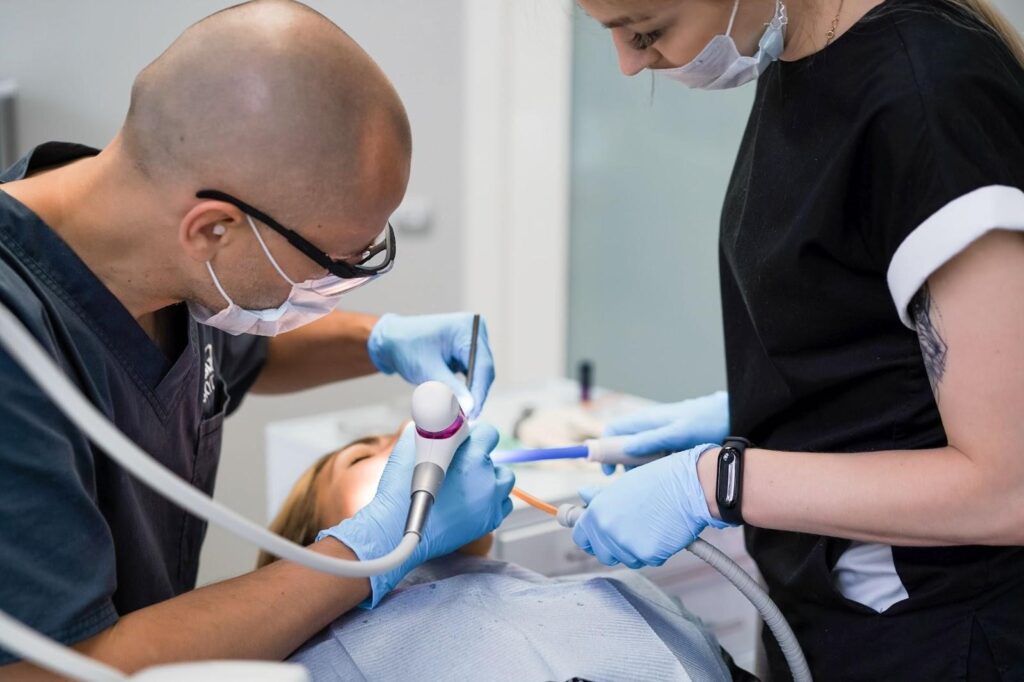
Patients are guided through what to expect before anything begins, so there are no surprises on the day. Once sedation is administered, most people feel the relaxation take hold within a short time. The dental work is completed while the patient remains comfortable, and the majority of people have very little recollection of the procedure once it is over.
As soon as treatment is completed, recovery begins, and the team closely monitors the patient throughout this period. Nobody leaves until the dental team is satisfied they are alert and stable enough to do so safely. The whole experience is kept as calm and predictable as possible from beginning to end.
Sleep Dentistry Safety and Monitoring
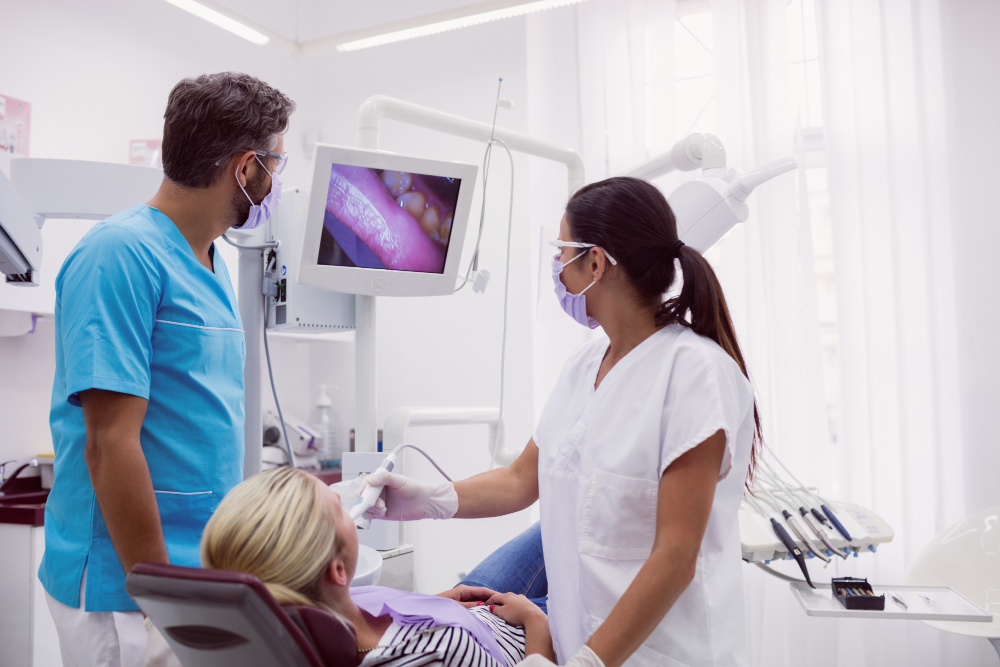
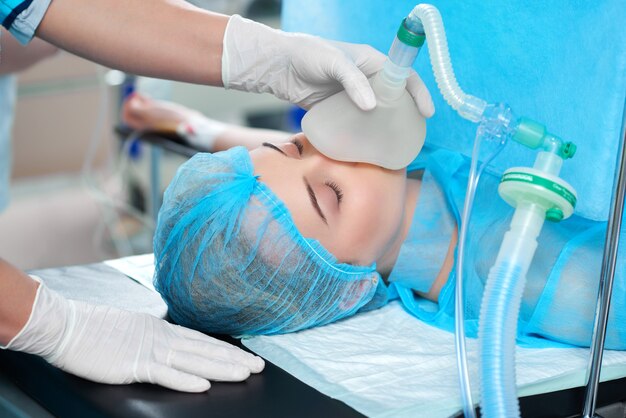
Sedation-based dental care is taken seriously at every stage. Vital signs such as heart rate and breathing are monitored continuously throughout the procedure, not only at the start and end. Sedation is administered by trained professionals who know how to respond should anything require attention.
All necessary monitoring equipment is in place and in active use during treatment. Recovery is watched with the same level of care, and patients are not discharged until the team is satisfied they are in good health. It is this consistent attention that makes the process dependable for patients who might otherwise be concerned about the risks.
Sleep Dentistry Cost Singapore
The cost of sleep dentistry in Singapore varies depending on several factors: the type of sedation used, the complexity and duration of the procedure, and any pre-treatment assessment requirements. Mild sedation typically sits at a different price point from moderate or deep sedation, and longer procedures tend to involve higher costs overall.
Because the right sedation approach depends on each patient's individual circumstances, an accurate figure is best discussed during a consultation. The dental team will assess your needs and provide a clear breakdown of what is involved before any treatment begins.
Sleep Dentistry Alternatives
For patients who are not suitable for sedation or who prefer to manage without it, there are other approaches worth considering:
- Local anaesthesia only: numbs the treatment area without affecting consciousness. Suitable for patients with mild anxiety and shorter procedures.
- Cognitive behavioural techniques: some patients respond well to distraction, guided breathing, or gradual exposure approaches developed with a dental team.
- Behavioural management strategies: techniques such as the tell-show-do method, which walk patients through each step before it happens, can help reduce anticipatory anxiety.
That said, for patients with significant dental anxiety or complex treatment needs, sedation remains the most reliable way to ensure treatment gets done comfortably and safely.
Biological Compatibility in Dentistry vs Traditional Dentistry
| Aspect | Sleep Dentistry | Traditional Dental Treatment |
|---|---|---|
| Patient awareness | Reduced awareness | Fully aware |
| Anxiety level | Significantly reduced | May be high |
| Comfort | Higher | Moderate |
| Procedure tolerance | Improved for anxious patients | Limited for some |
| Gag reflex management | Noticeably improved | Can be difficult |
| Post-procedure recall | Little to none for most patients | Full recollection |
Conclusion on Sleep Dentistry
For patients who find dental visits genuinely difficult, sleep dentistry removes a lot of what makes the experience so hard. Treatment gets done in a calm environment, the stress that usually comes with it is largely absent, and patients leave without the emotional exhaustion that dental anxiety tends to bring.
That matters beyond just one appointment. When people are not dreading their next visit, they are far more likely to keep up with their dental care regularly, and that consistency is what protects oral health over the long term