
Biological Compatibility in Dentistry: A Metal-Free, Health-First Approach
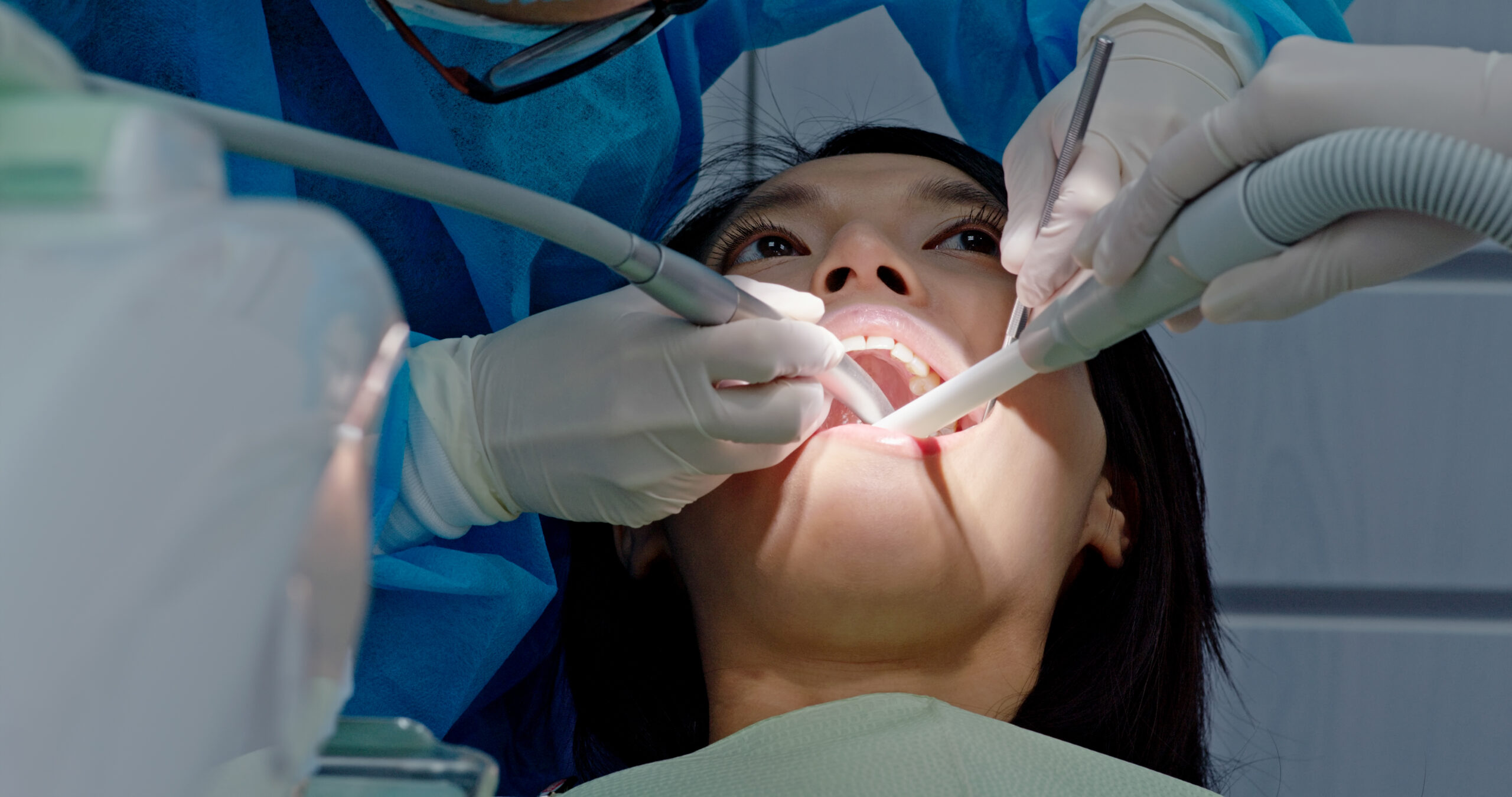
Not every patient thinks about what goes into their mouth during dental treatment, but for some, it matters quite a bit. Biological compatibility in dentistry is about choosing materials and procedures that the body can tolerate well, and it tends to come up when patients are weighing their options or have had reactions to certain materials in the past.
What Is Biological Compatibility in Dentistry?
At its core, biological compatibility in dentistry is about fit, not just how a restoration fits the tooth, but how the material fits the body. Some conventional dental substances don't suit everyone, particularly those with sensitivities or specific health concerns. Dentists taking this approach look at the patient's history before deciding on materials, with the goal of avoiding anything that might cause irritation or interfere with the body over time.
Biological Compatibility in Dentistry Benefits
- Metal-free options for patients who prefer to avoid metal-based materials
- Reduced concern about sensitivity or adverse reactions to certain dental substances
- Materials selected with the patient's overall health in mind
- Supports a holistic approach to dental care
- May be discussed alongside mercury-free treatment options
- Minimally invasive techniques where appropriate
- Aims to support natural healing processes
Who May Be Suitable for Biological Compatibility in Dentistry?
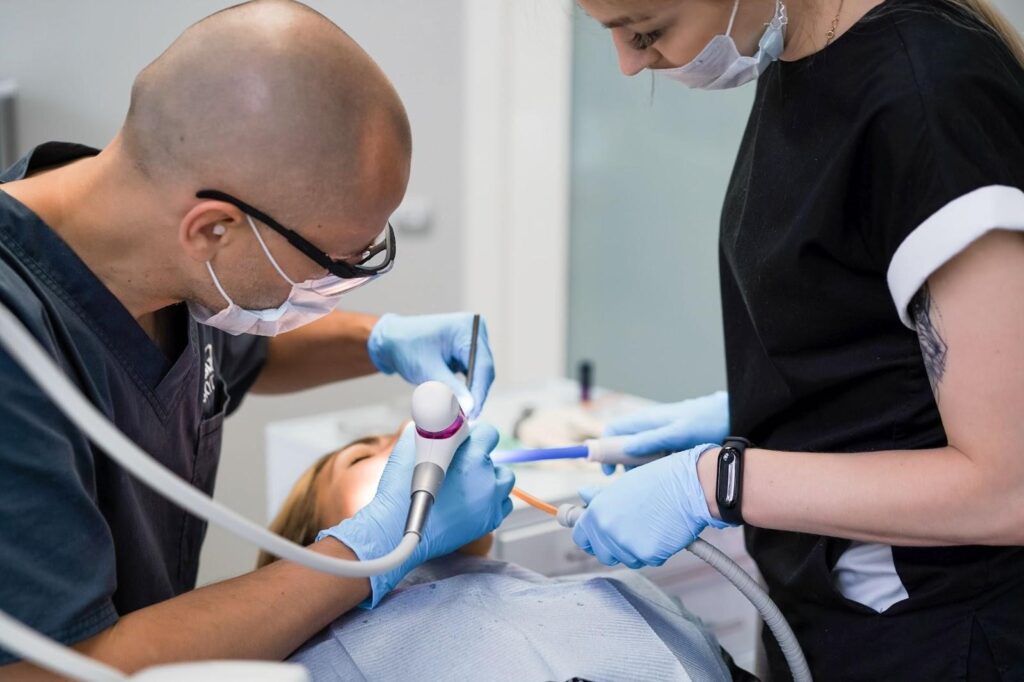
This approach tends to come up with patients who've had reactions to dental materials before, or those who are simply more cautious about what goes into their body. It's also relevant when someone is replacing older restorations and wants to revisit what was used. There's no fixed profile, suitability really depends on the individual's health history, what treatment is needed, and whether the available materials are a good match for the case. A proper assessment usually clarifies this fairly quickly.

Biological Compatibility in Dentistry Cost
Costs vary quite a bit depending on what's involved. The type of procedure, the materials chosen, and the complexity of the case all play a role. Some biologically compatible materials are priced differently from conventional options, and if older restorations need to be removed first or additional preparation is required, that adds to the overall picture. A detailed assessment is the most reliable way to get a realistic cost estimate for the specific treatment being planned.
Types of Biologically Compatible Dental Materials
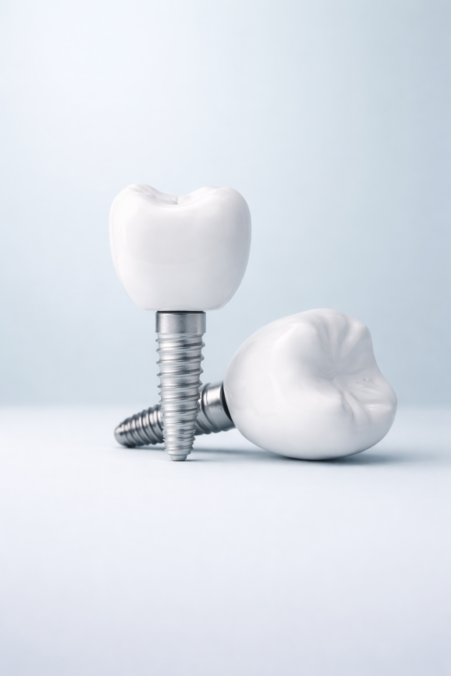
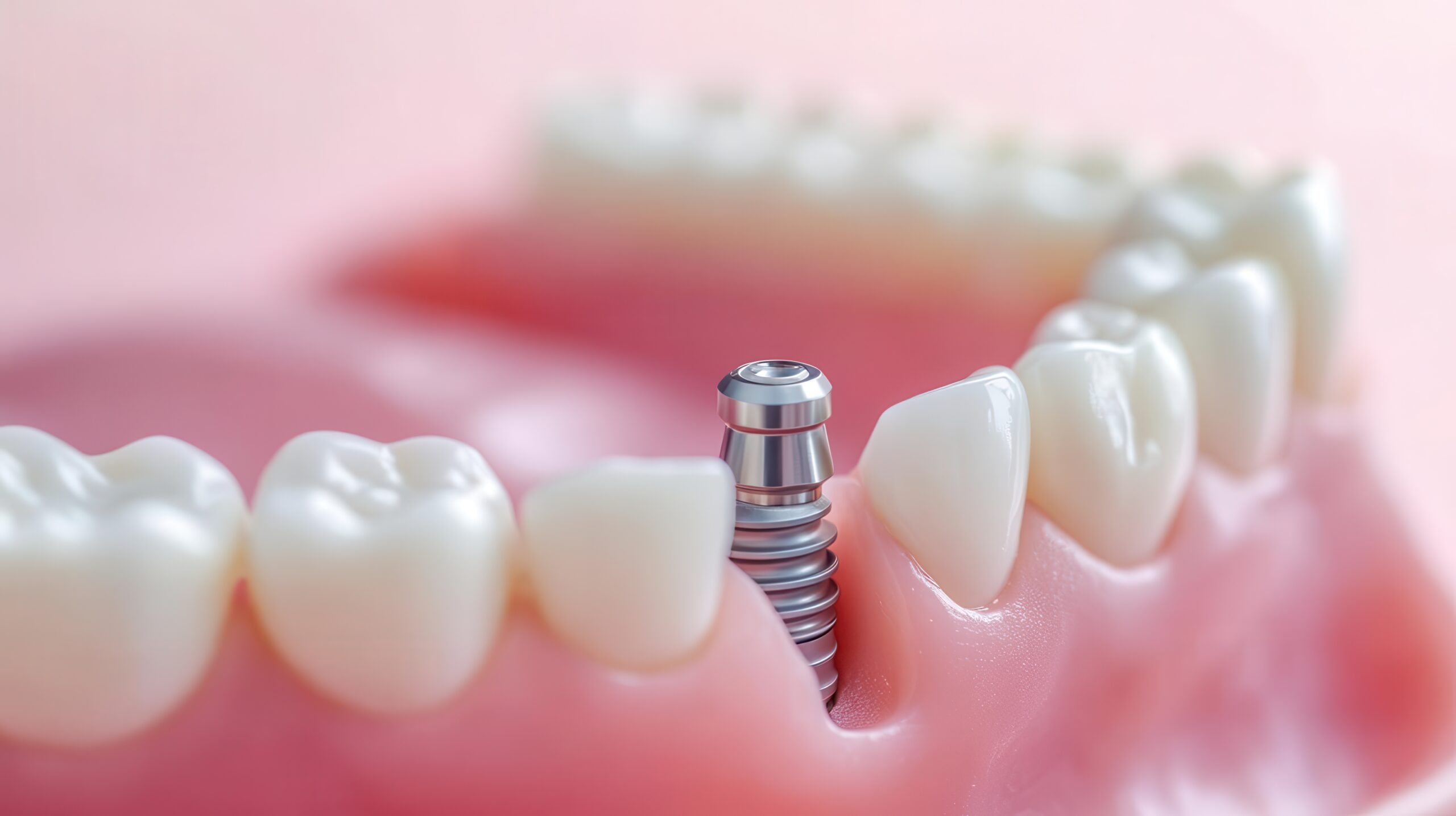
Ceramics, composite resins, and zirconia are among the more commonly used options in this space. Each has its place depending on the treatment, zirconia for instance is frequently used in crowns and implants, while composites tend to come up for fillings and bonding. The common thread is that these materials are chosen with the aim of reducing the risk of reactions and avoiding anything that might disrupt normal bodily function. Where exactly they're used depends on the tooth position, the forces involved, and what the patient's situation calls for.
Mercury-Free Dentistry
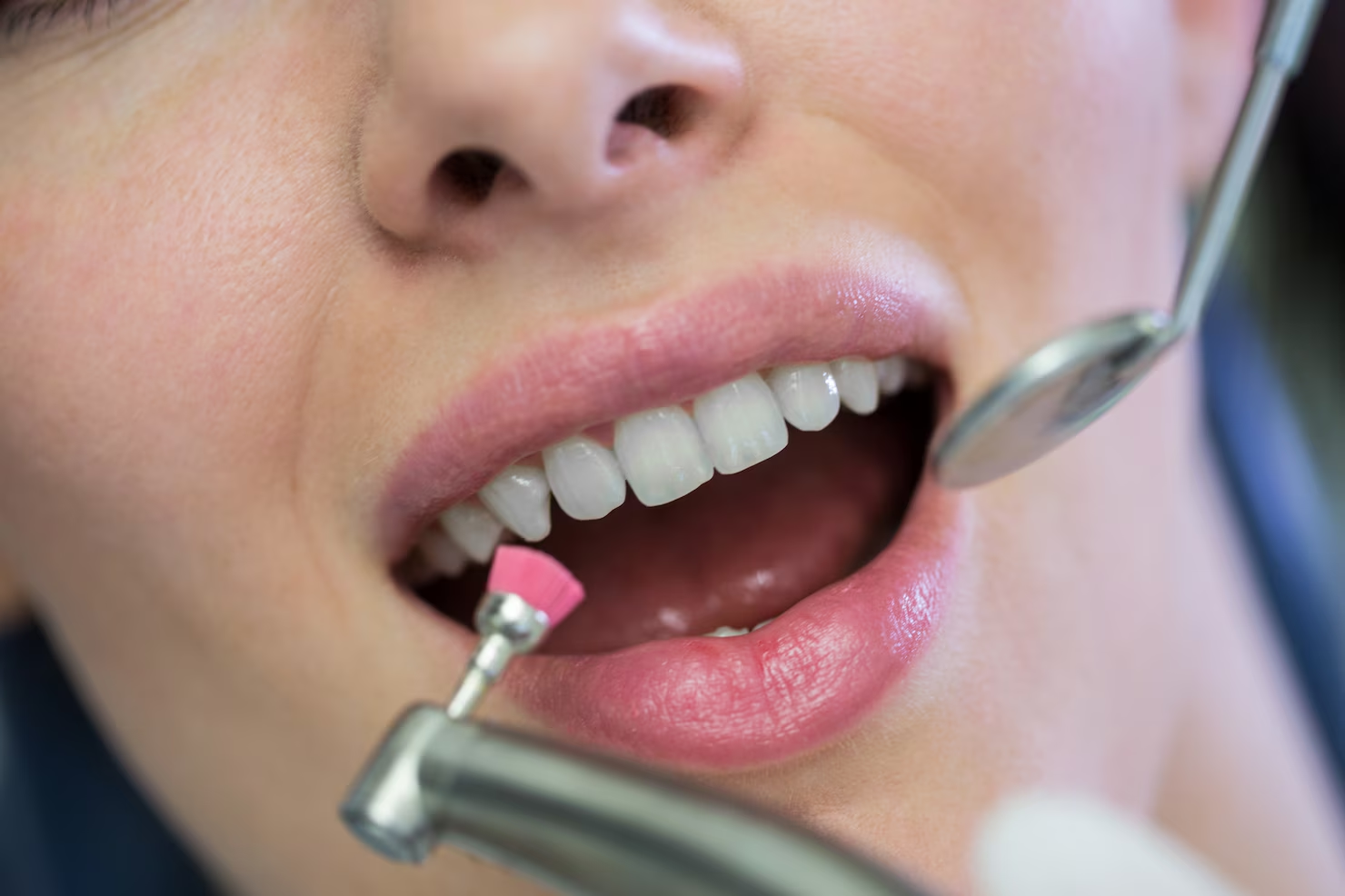
Older amalgam fillings contain mercury, and while views on their safety vary, some patients would rather not have them. Mercury-free dentistry simply means using alternatives, typically composite resins, that don't carry the same concerns. For patients looking to replace existing amalgam restorations, this is often part of the broader conversation around biological compatibility. It's not an urgent change for everyone, but it's one that comes up regularly in this context.

Maintaining Your Biologically Compatible Restorations
Day-to-day care isn't dramatically different from looking after natural teeth. A soft-bristled toothbrush, non-abrasive toothpaste, and daily flossing cover most of it. Regular check-ups matter too, they give the dentist a chance to catch anything early and check that restorations are still in good shape. Done consistently, these habits go a long way toward keeping things functional and looking natural for the long term.
Biological Compatibility in Dentistry Alternatives
This isn't the only path, and for many patients, conventional options work perfectly well. Depending on the case, a dentist might also discuss:
- Conventional titanium implants for patients comfortable with metal-based options
- Standard composite or ceramic restorations where full biologically compatible protocols are not required
- Traditional crown and bridge work depending on the restoration needed
- Phased treatment where existing restorations are replaced gradually over time
What makes sense depends on bone support, gum health, the position of the missing tooth, and the overall treatment plan.
Biological Compatibility in Dentistry vs Traditional Dentistry
| Feature | Traditional Dentistry | Biological Compatibility in Dentistry |
|---|---|---|
| Materials | Metal-based | Ceramic, composite, metal-free |
| Focus | Teeth and symptoms | Overall health and material safety |
| Approach | Standard protocols | Individually assessed |
| Mercury use | May include amalgam | Mercury-free alternatives used |
| Clinical track record | Longer-established | Growing body of evidence |
Conclusion on Biological Compatibility in Dentistry
Biological compatibility in dentistry isn't a one-size-fits-all solution, it's a consideration that becomes relevant depending on who the patient is and what they need. For some, it's about avoiding a specific material. For others, it's a broader preference for a more health-conscious approach. Either way, the starting point is always a proper assessment to figure out what's actually appropriate for the case.