Removal of Displaced (Impacted) Wisdom Teeth
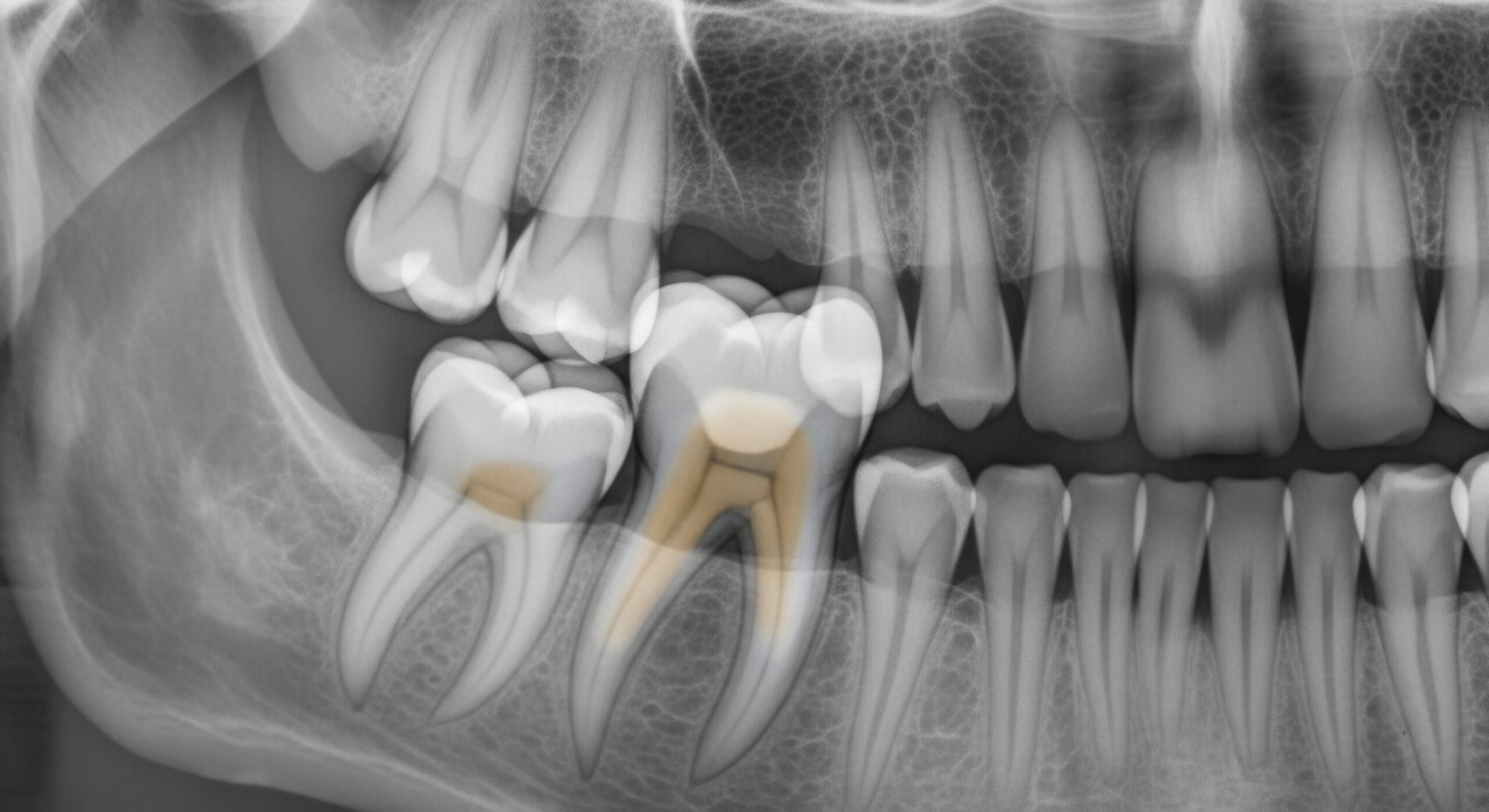
Safe, Evidence-Aligned Surgical Care for Challenging Third Molar Situations At Nuffield Dental Jewel, we provide expert evaluation and surgical management for displaced or impacted wisdom teeth (third molars). These are teeth that have not fully emerged through the gumline, are angled incorrectly, or are positioned against adjacent structures, making natural eruption and alignment impossible. Our approach emphasises precise diagnostics, surgical planning, and patient comfort, ensuring predictable outcomes and long-term oral health.
What Are Displaced (Impacted) Wisdom Teeth?
“Impacted” or displaced wisdom teeth are third molars that do not erupt into the mouth in a normal position. This can happen because:
- There is insufficient space in the dental arch
- The tooth is growing at an angle
- Neighbouring structures block eruption
- The tooth is under bone and gum tissue
- Impacted wisdom teeth can remain asymptomatic for some time, but they may contribute to complications if left unmanaged.
Why Impacted Wisdom Teeth Matter
Impacted wisdom teeth can sometimes cause:
- Local pain or discomfort
- Gum inflammation around partially erupted teeth
- Tooth decay on adjacent molars
- Jaw stiffness
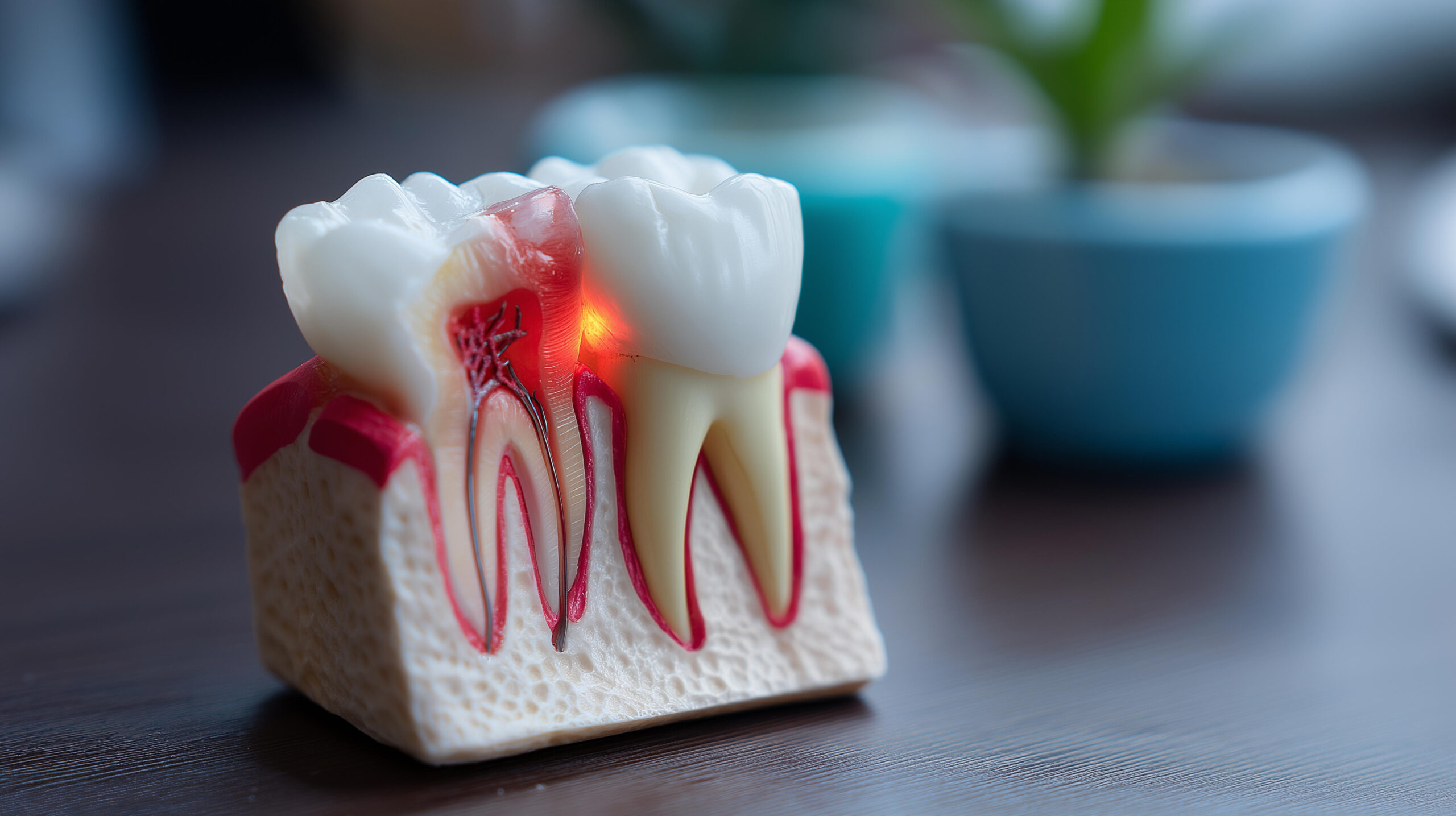
- Infection or abscess formation
- Cysts or benign lesions associated with dental follicles
- Pressure that affects nearby teeth alignment
- Not every impacted tooth requires removal, but careful evaluation is essential to identify when surgical management is the most appropriate option.
How We Evaluate Your Wisdom Teeth
Detailed Clinical Examination Your clinician will assess:
- Symptom history
- Mouth opening and jaw function
- Gum and periodontal status
Advanced Imaging (3D CBCT When Indicated) Three-dimensional imaging allows precise evaluation of:
- Tooth orientation
- Root position
- Proximity to nerves and sinuses
- Surrounding bone anatomy
- This level of detail supports safer planning and risk assessment.
Discussion of Options Based on your unique anatomy and symptoms, we explain:
- Whether removal is indicated
- What the procedure involves
- Expected recovery
- Risks and benefits
- Alternatives (if any)
What Wisdom Tooth Removal Involves
Anaesthesia & Comfort
Depending on your case and preferences, surgery may be performed under:
- Local anaesthesia
- Oral sedation
- Conscious sedation
- We discuss comfort options prior to the procedure.
Targeted Surgical Access
The displaced tooth is carefully accessed using microsurgical techniques to:
- Preserve healthy bone
- Avoid trauma to adjacent structures
- Manage soft tissue sensitively
Extraction
The tooth is gently removed using controlled, atraumatic methods to minimise post-operative discomfort.
Site Stabilisation & Closure
Wounds are closed with sutures when required, and protective dressings are placed to support healing.
What to Expect During Recovery
After impacted wisdom tooth removal:
- Mild to moderate swelling and tenderness may occur
- Careful pain and infection management is provided
- Eating soft foods for a few days is recommended
- Oral hygiene instructions are tailored to your procedure
- Most patients return to normal activity within a few days, but complete healing
- Can take up to several weeks, especially for deeply impacted teeth.
Frequently Asked Questions
1. Is Removal Always Necessary?
Not always. Removal may be considered when:
- There is pain or recurrent infection
- Adjacent teeth are affected
- Gum disease is present around the wisdom tooth
- Cystic changes are detected on imaging
- Orthodontic or restorative planning benefits from removal If a displaced tooth shows no signs of current or future problems, observation with periodic review may be advised instead of immediate surgery.
2. Risks & Considerations
As with all surgical procedures, potential risks include:
- Temporary swelling or discomfort
- Bleeding
- Infection
- Temporary nerve sensitivity (rare)
- Slow wound healing in some individuals
- We review all risks and preventive measures with you before surgery and answer
- Your questions to ensure you understand your options.
3. Comfort, Support & Follow-Up
Your comfort and recovery are priorities:
- Personalised anaesthesia options
- Structured post-op care instructions
- Follow-up reviews until healing is confirmed
- Guidance on diet, hygiene, and activity We work with you to support a smooth and predictable healing process.
3. Why Patients Trust Nuffield Dental Jewe
Patients choose us for impacted tooth removal because we deliver:
- Advanced diagnostics with 3D imaging when needed
- Detailed surgical planning tailored to your anatomy
- Gentle, minimally traumatic surgical technique
- Clear communication and personalised care
- Coordinated restoration planning if implants or prosthetics are involved