What is Root Canal Treatment?
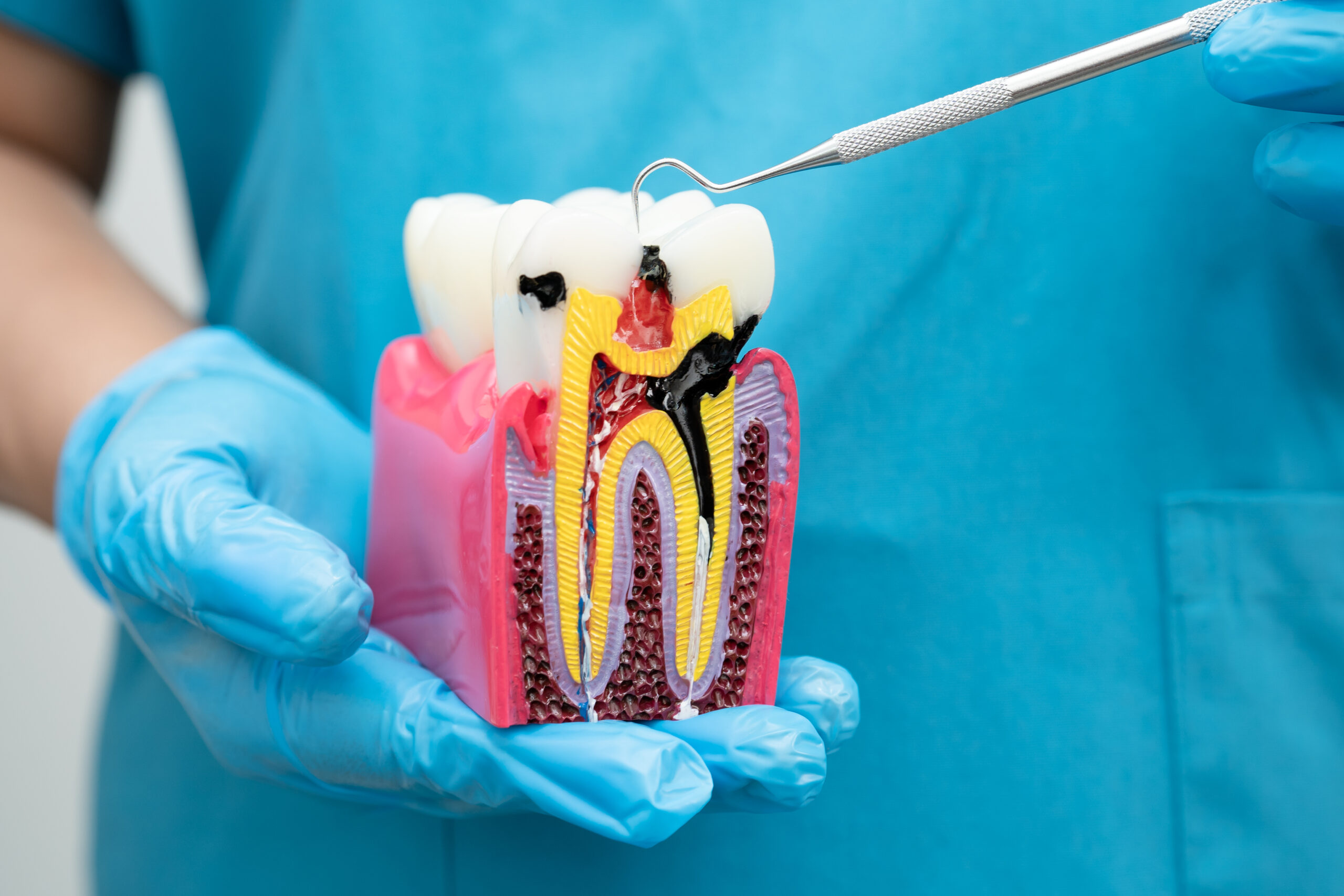
Root canal treatment is a common dental procedure used to treat infection or damage within a tooth. It helps relieve pain, remove infection, and preserve your natural tooth.
At our clinic, we focus on providing comfortable and effective care using modern techniques to ensure a smooth experience for our patients.
When is Root Canal Treatment Needed?
You may require root canal treatment if you experience:
- Persistent tooth pain
- Sensitivity to hot or cold
- Swelling or tenderness around the gums
- Darkening of the tooth
Root Canal Treatment: What to Expect
Root canal treatment is one of the most widely performed procedures in dentistry. For many patients, it offers a clinically sound way to address deep tooth decay, infection, or pulp damage without losing the tooth entirely.
In holistic dentistry, the decision to proceed (or to explore alternatives) involves an extra layer of consideration. It is not simply about whether the tooth can be treated. The broader question is whether it will remain biologically stable, structurally sound, and free from chronic local irritation once treatment is complete.
What Is Root Canal Treatment?
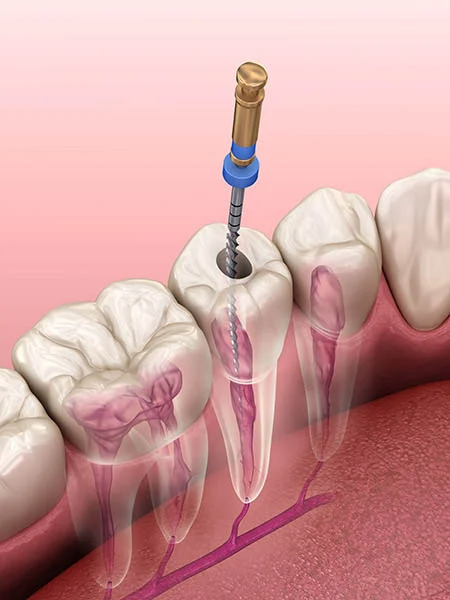
Root canal treatment involves removing infected or damaged pulp tissue from inside the tooth, cleaning and disinfecting the canals, then sealing the space to prevent re-infection. It is typically recommended when tooth decay has progressed deep enough to reach the pulp, when pain and sensitivity become severe, or when an abscess has formed.
At our holistic dental clinic in Singapore, each case is assessed carefully before any recommendation is made. Clinical findings are considered alongside the patient's overall health picture and long-term biological compatibility goals, not just the immediate problem.
Root Canal Treatment Benefits
- Addresses infection and removes the source of pain
- Retains the natural tooth and supports bite function
- Reduces the risk of tooth decay spreading to adjacent teeth
- Avoids immediate extraction in suitable cases
- Can be completed with a biologically compatible crown or restoration
- Supports long-term oral stability where the tooth structure allows
Who May Be Suitable for Root Canal Treatment?
Root canal treatment is worth considering when tooth decay has reached the pulp, when there is significant pain or sensitivity to hot and cold, visible swelling, or radiographic evidence of infection at the root tip. Teeth that have sustained trauma or lost structural integrity due to a failing restoration can also be candidates.
That said, suitability is not a straightforward yes or no. The extent of structural damage, the presence of cracks, surrounding bone condition, and the likelihood of a reliable restoration all factor in. A thorough clinical and radiographic assessment, with CBCT imaging where needed, is the most reliable way to determine the right path forward.

Why Root Canal-Treated Teeth Can Become Problematic
A root canal-treated tooth can remain symptom-free for years, and in many cases does. But some teeth develop complications over time. The more common reasons are worth understanding.
- Residual Bacteria in Microscopic Canals: Even thorough root canal treatment does not always fully disinfect every accessory canal, dentinal tubule, and lateral branch inside a tooth. Residual bacterial biofilms can persist in these hard-to-reach spaces and, over time, contribute to ongoing inflammation at the root tip, intermittent tenderness, localised bone loss, and in some cases abscess or sinus tract formation. It is one of the more common reasons a previously treated tooth eventually fails.
- Vertical Cracks and Structural Fatigue: Once a tooth is non-vital, it becomes progressively more brittle. A crown offers some protection, but root canal-treated teeth can still develop vertical root fractures, cracked cusps, or split roots over time. Leakage under the crown is another possibility. These teeth sometimes look radiographically acceptable while still generating chronic local irritation at the tissue level.
- Hidden Periapical Lesions or Cavitation-Like Bone Defects: Holistic dentistry pays close attention to inflammatory changes in the bone surrounding old root canal-treated teeth. A standard X-ray does not always tell the full story. CBCT imaging sometimes reveals chronic apical periodontitis, low-grade osteitic changes, marrow defects, or cavitation-like defects at prior extraction sites, all of which can explain persistent discomfort that standard imaging misses.
Signs Your Root Canal-Treated Tooth May Need Re-Assessment
- Recurrent gum tenderness around a root canal-treated tooth
- Vague facial pressure or unexplained jaw discomfort
- Biting discomfort or pain on chewing
- Persistent bad taste or odour
- Repeated sinus-related symptoms in upper posterior teeth
- Radiographic shadows around the root tip
- Recurrent swelling or fistula formation
- Darkening of the crown
Root Canal Treatment Options
- Root Canal Retreatment Where tooth decay has reached the pulp and the surrounding structure is still intact, standard root canal treatment is often the most appropriate first step. For previously treated teeth where the issue stems from incomplete obturation, a missed canal, or coronal leakage, retreatment is worth exploring before extraction is considered.
- Apical Surgery Where infection is localised to the root tip and the rest of the tooth is sound, microsurgical endodontic surgery offers a more targeted option. The root tip and surrounding infected tissue are removed directly, without disturbing the crown or the bulk of the root.
- Biological Extraction For teeth that are cracked, chronically infected, or too structurally compromised to restore reliably, extraction is sometimes the more predictable long-term choice. At Nuffield, this is carried out atraumatically and is typically followed by PRF-supported socket preservation, ozone disinfection, and planning for a ceramic implant or zirconia restoration, all in line with our metal-free, biological compatibility approach.
Root Canal Treatment Cost Singapore
Costs vary depending on which tooth is involved, how many canals need to be treated, the complexity of the case, and whether a crown or onlay is required afterwards. Retreatment cases and those needing CBCT imaging will naturally involve additional considerations.
Rather than quoting a number without context, we provide a full breakdown after a proper assessment. That way you know exactly what is involved before making any decisions. Get in touch to arrange a consultation at our root canal treatment clinic in Singapore.
Root Canal Treatment Alternatives
Root canal treatment is not always the only option, and for certain patients, a different approach makes more clinical sense:
- Tooth extraction followed by a ceramic dental implant or bridge
- Extraction with PRF socket preservation and zirconia crown restoration
- Monitoring and palliative care where immediate intervention is not indicated
- Phased treatment where the tooth is assessed over time before a final decision is made
The right call depends on the degree of tooth decay, bone support, gum health, tooth position, and what the overall treatment plan looks like.
Root Canal Treatment vs Extraction: Key Considerations
| Root Canal Treatmen | Extraction + Implant | |
|---|---|---|
| Natural tooth retained | Yes | No |
| Pain resolved | Yes, when successful | Yes |
| Tooth decay risk post-treatment | Requires crown protection | Adjacent teeth unaffected |
| Biologically compatible options | Yes, with zirconia crown | Yes, with ceramic implant |
| Long-term stability | Depends on structure | High when well-planned |
| Cost (Singapore) | Lower upfront | Higher upfront |
Our Holistic Assessment Approach
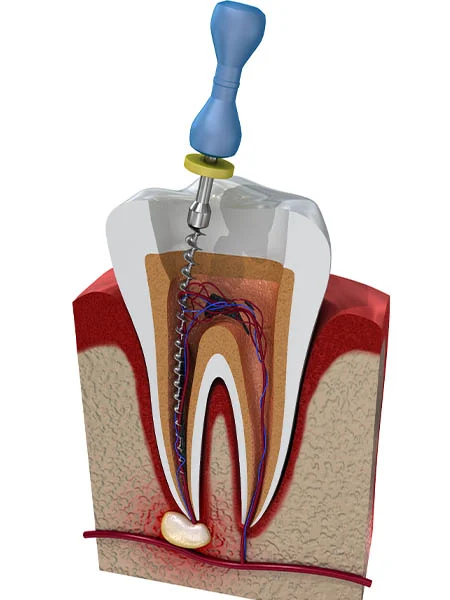
Before deciding whether a tooth should be treated, retreated, or removed, Nuffield's holistic dentistry team carries out a thorough biological assessment. Depending on the case, this can include:
- Clinical percussion and bite analysis
- Crown margin leakage assessment
- Periodontal probing
- CBCT scan for hidden apical pathology
- Crack and fracture evaluation
- Occlusal overload analysis
- Material compatibility review
- Adjacent sinus assessment for upper teeth
- Evaluation of old metals and restorative interfaces
The aim is to establish whether the tooth remains biologically quiet and functionally predictable, before committing to any course of action.
Conclusion on Root Canal Treatment
Root canal treatment is a clinically well-established option for patients dealing with deep tooth decay, pulp infection, or significant structural damage. At Nuffield Dental, no recommendation is made without first understanding the full picture: clinical findings, biological compatibility, and what is genuinely most appropriate for that individual patient.
Sometimes that means root canal treatment. Sometimes it means retreatment, apical surgery, or a ceramic implant. Whatever the outcome, our root canal treatment clinic in Singapore is here to walk you through it clearly.
Frequently Asked Questions
1. Is root canal treatment painful?
The procedure is carried out under local anaesthesia. Most patients find it no more uncomfortable than a standard filling. The pain and sensitivity that tend to bring patients in, caused by infection or pulp inflammation, typically settle once the source has been addressed.
2. Do root canal-treated teeth always need extraction?
Not at all. Many treated teeth remain stable for years or even decades. Extraction only comes into consideration when imaging, symptoms, or structural findings suggest the tooth is no longer reliable or biologically sound.
3. Does holistic dentistry believe root canal-treated teeth cause systemic disease?
Current mainstream evidence does not support a direct causal link between root canal-treated teeth and systemic conditions such as cancer or autoimmune illness. That said, holistic dentists do consider whether a chronically failing tooth is contributing to a local inflammatory burden within the oral environment, which is a different and clinically legitimate concern.
4. How do I find a root canal treatment clinic in Singapore?
Look for a clinic that offers thorough diagnostics including CBCT, takes a whole-health view rather than just treating the immediate symptom, and can discuss both conventional and biologically compatible options with you. Nuffield Dental's holistic dentistry service covers all of this.