
Heavy Metal Poisoning from Dental Fillings: What You Should Know
Heavy metal poisoning from dental fillings has become a genuine point of concern for patients who take a longer view of their health. Older restorations, in particular, have attracted scrutiny over the years, and that scrutiny has pushed both patients and clinicians toward a more considered approach to material selection. Mercury-free dentistry in Singapore reflects that shift directly.
This page outlines what mercury-free and biocompatible dental materials involve, when replacement of older fillings might be worth considering, and what the process looks like in practice.
What Is Heavy Metal Poisoning?
Heavy metal poisoning refers to the health concerns associated with exposure to certain metals found in traditional dental materials. In dentistry, this centres primarily on amalgam, a restorative material that has been used for well over a century. Amalgam contains mercury alongside other metals, and while it remains approved for use in many countries, questions about its long-term effects have led a growing number of patients to seek alternatives.
In place of amalgam, dentists now commonly use composite resins and ceramic materials. These options are designed to be stable within the oral environment, aesthetically closer to natural tooth colour, and generally better tolerated by patients with sensitivities. The move away from metal-based restorations is part of a broader, ongoing conversation about patient safety and long-term wellbeing.
Heavy Metal Poisoning Side Effects
Responses to metal exposure vary considerably between individuals. The following symptoms are sometimes self-reported by patients who are concerned about their dental materials, though they are non-specific and can arise from many different causes:
- Persistent fatigue or low energy levels
- Headaches or difficulty concentrating
- Oral sensitivity, including gum irritation or a metallic taste
- General feelings of unwellness that have no other obvious cause
It is worth noting that these symptoms are non-specific and can arise from many different causes. If you are experiencing any of them and are concerned about your dental materials, a clinical assessment is the appropriate starting point. A dentist can help you evaluate whether your restorations may be a contributing factor.
Who Should Consider Metal-Free Fillings?
Metal-free fillings are a clinically appropriate option for most patients requiring restorative treatment. They are particularly relevant for those who have existing amalgam fillings they wish to replace, patients with sensitivities to metals, and anyone who prefers to take a more precautionary approach to dental materials as a matter of personal preference.
Suitability depends on the size and location of the restoration, your dental and medical history, and your dentist's clinical assessment. A consultation is the right starting point, as it gives both you and your dentist an accurate picture of your current situation before any decisions are made.
Heavy Metal Poisoning and Dental Fillings
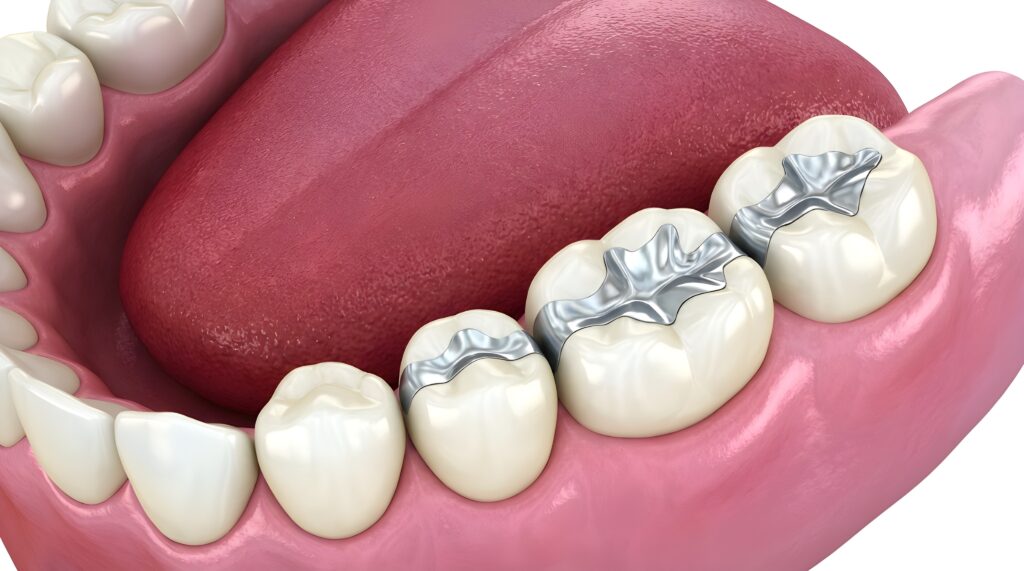
Mercury has historically been used in amalgam restorations. These fillings stay in the mouth for years, sometimes decades, and during that time they are subjected to repeated temperature changes, bite pressure, and exposure to saliva. These conditions can influence how a material behaves as it ages. In some cases, this may contribute to the gradual release of trace substances into the oral environment, though individual responses vary considerably.
The concern with metal-based fillings is not primarily about immediate harm. It centres on what prolonged, low-level exposure might mean for some individuals over many years. Not every patient will experience any issues, and mainstream clinical guidance does not establish a direct causal link between dental amalgam and systemic disease. That said, individual sensitivity is real, and the choice of dental material is a meaningful part of treatment planning for patients who want to minimise their exposure where possible.
Why Patients Are Concerned About Heavy Metal Poisoning
General awareness around long-term health has grown, and dental care has not been exempt from that shift. Patients today tend to be better informed about the materials used in their treatments and more willing to ask questions. There has been a noticeable change in preference, particularly among those who take a proactive, whole-body view of their health.
For some patients, the decision comes down to a straightforward preference: if a clinically effective alternative exists that is better tolerated by the body, they would rather use it. That reasoning is increasingly common in Singapore, where access to high-quality biocompatible options is now well-established.
Biocompatible Dental Materials
Biocompatible dental materials are selected for their ability to function in the body without triggering adverse reactions. They are designed to remain stable and non-reactive within the oral environment over time, which reduces the likelihood of irritation or sensitivity for susceptible patients.
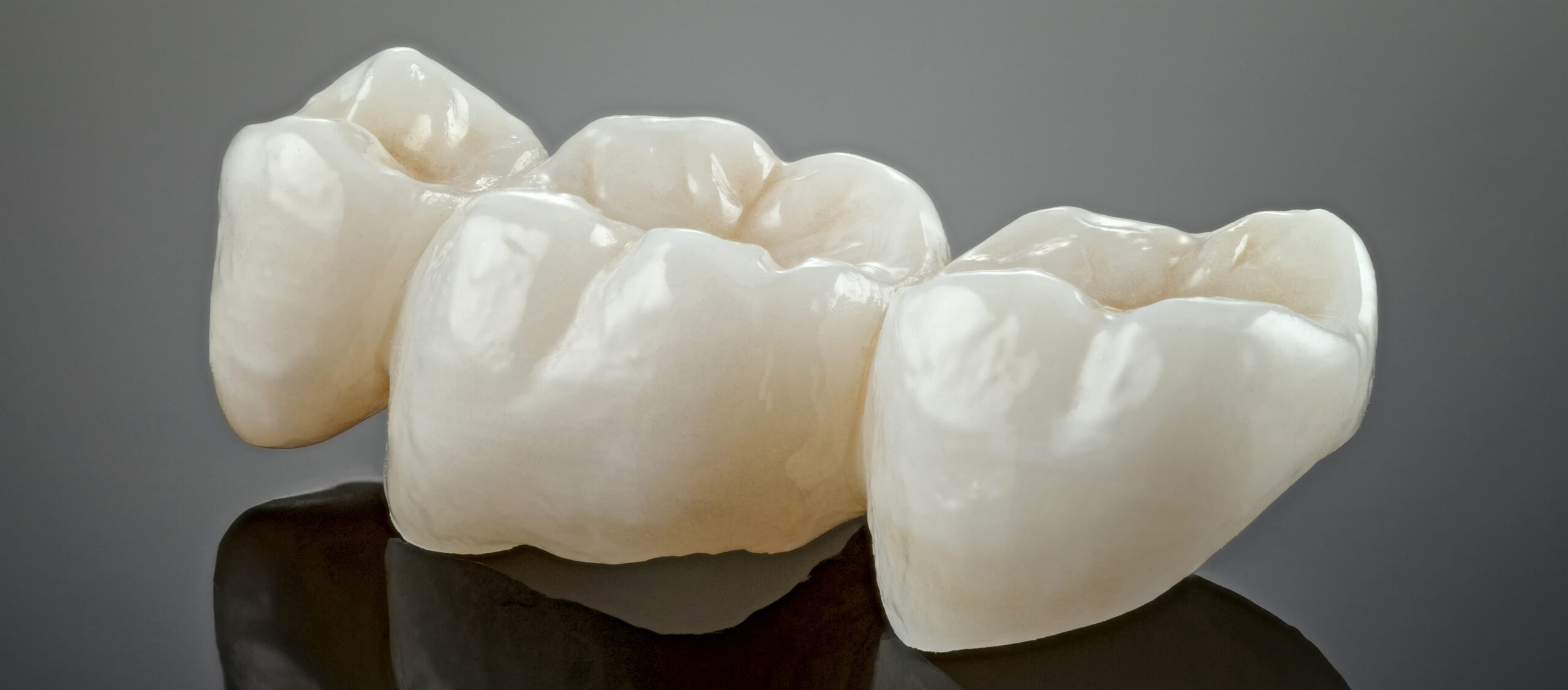
Composite resins and ceramic restorations are the most common mercury-free alternatives. Both offer good durability and a natural tooth-coloured appearance, making them suitable for visible restorations. A dentist assessing your situation will take your clinical history and individual circumstances into account to determine which material is most appropriate for you.
When to Replace Old Fillings
Not all existing fillings need to be replaced, and the decision is not one-size-fits-all. There are a few common situations where replacement is worth discussing with your dentist:
- Fillings that are visibly damaged, cracked, or worn down
- Fillings causing discomfort or sensitivity that has not resolved
- Old restorations that are structurally compromised and no longer sealing properly
- Patients who, based on their preferences and overall health priorities, wish to transition to metal-free materials even in the absence of clinical symptoms
In all cases, the appropriate step is a clinical assessment. This provides both you and the dentist with an accurate picture of the current state of your restorations before any decision is made.
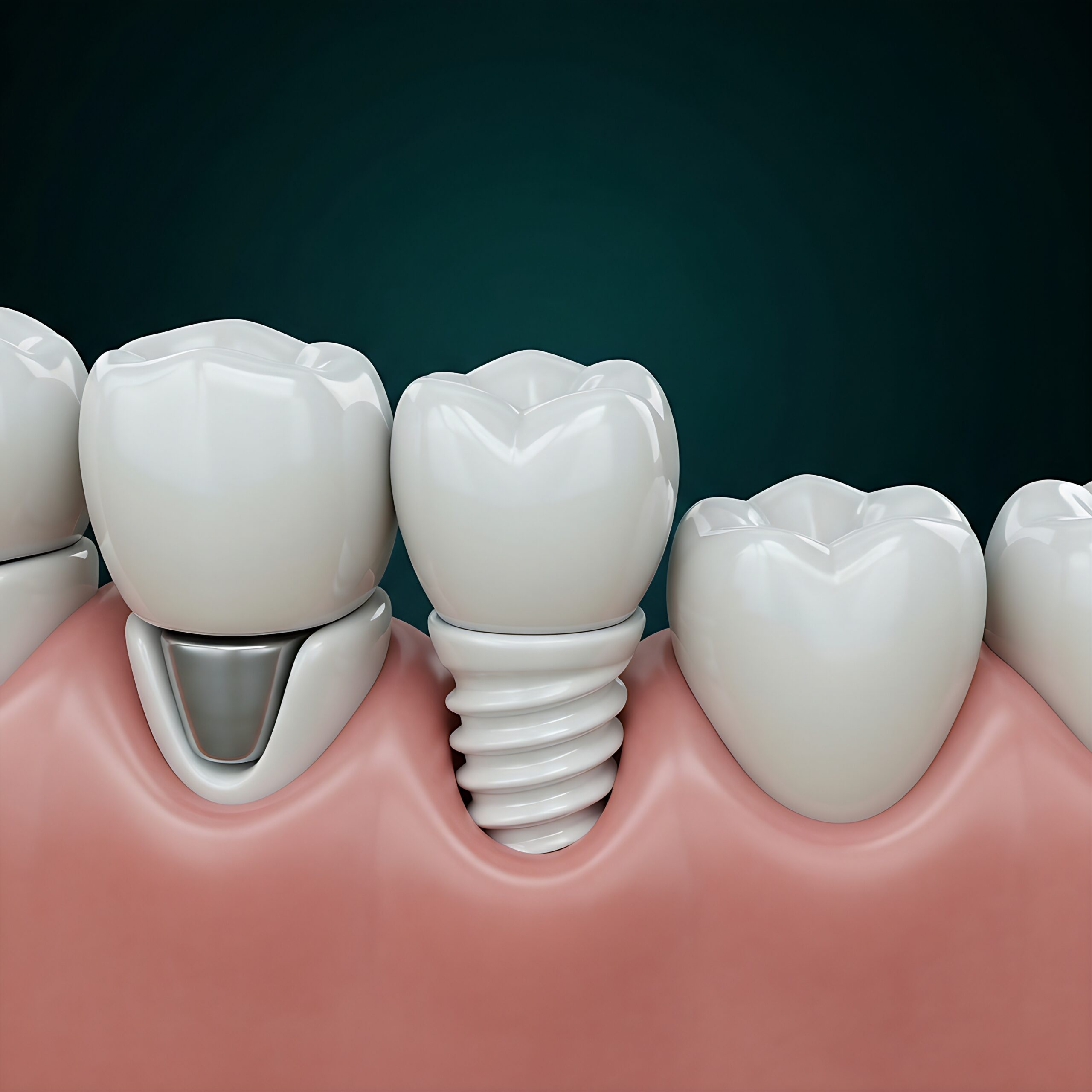
Safety During Amalgam Removal
Removing older fillings requires a careful, controlled approach to reduce exposure during the procedure itself. Dentists use specific protocols designed to manage the process safely, including measures to limit the release of material during removal and to protect both the patient and the clinical team throughout.
Patient comfort and safety are maintained at every stage. Once the older material is removed, a more biocompatible restoration is placed. The aim is to leave the tooth in a better condition than before while supporting the patient's longer-term dental health.
Mercury-Free Dental Fillings Cost Singapore
The cost of mercury-free fillings in Singapore depends on several factors, including the size and location of the restoration, the material used (composite resin or ceramic), and the complexity of any associated treatment. Ceramic and tooth-coloured composite options are typically priced higher than traditional amalgam, reflecting differences in material cost and placement technique.
For an accurate estimate relevant to your situation, a consultation is the right starting point. Your dentist can assess the condition of any existing restorations and provide a clear breakdown of what treatment would involve.
Metal-Free vs Amalgam Fillings
| Aspect | Metal-Free Fillings | Traditional Amalgam Fillings |
|---|---|---|
| Material | Composite resin or ceramic | Metal-based alloy |
| Mercury Content | None | Contains mercury |
| Appearance | Tooth-coloured | Metallic grey |
| Biocompatibility | Generally well-tolerated | Variable; may not suit all patients |
| Long-term stability | Good with proper placement | Durable in posterior teeth |
| Patient preference trend | Increasing | Declining |
Alternatives You Could Consider
For patients who are interested in metal-free options but want to understand the full range of choices available, other restorative materials include:
- Ceramic inlays and onlays, which offer high durability and a natural appearance, particularly suited to larger restorations
- Glass ionomer cements, used in specific clinical situations and known for their fluoride-releasing properties
- Porcelain or zirconia crowns, for teeth that require more extensive restoration
Your dentist will explain which options are clinically appropriate for your specific situation. Not every material suits every case, and the recommendation will be based on the size of the cavity, the tooth's location, and your individual clinical needs.
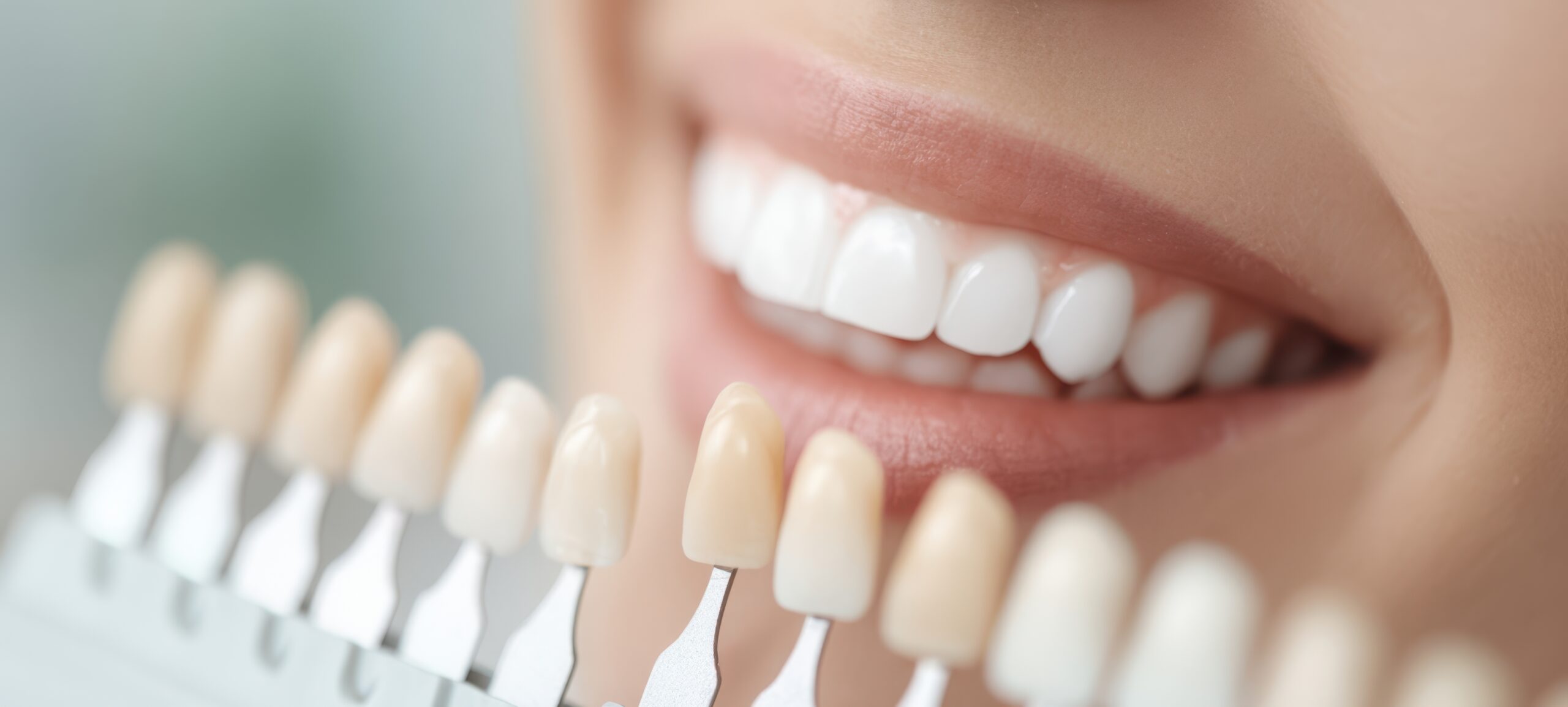
Heavy Metal Poisoning: Making an Informed Decision
The conversation around heavy metal poisoning from dental fillings has matured considerably as patients take a longer view of their health. The shift toward mercury-free dentistry in Singapore is a direct response to that awareness. Choosing restorations that are better tolerated by the body is a reasonable and increasingly accessible option, and the clinical quality of modern biocompatible alternatives supports that choice.