Ozone Therapy: A Minimally Invasive Approach to Oral Health
Ozone therapy uses concentrated oxygen to eliminate harmful bacteria and support the body's natural healing mechanisms. It has been gaining traction in Singapore, where patients are increasingly drawn to less invasive, health-conscious alternatives to conventional dental care.
What Is Ozone Therapy in Dentistry?
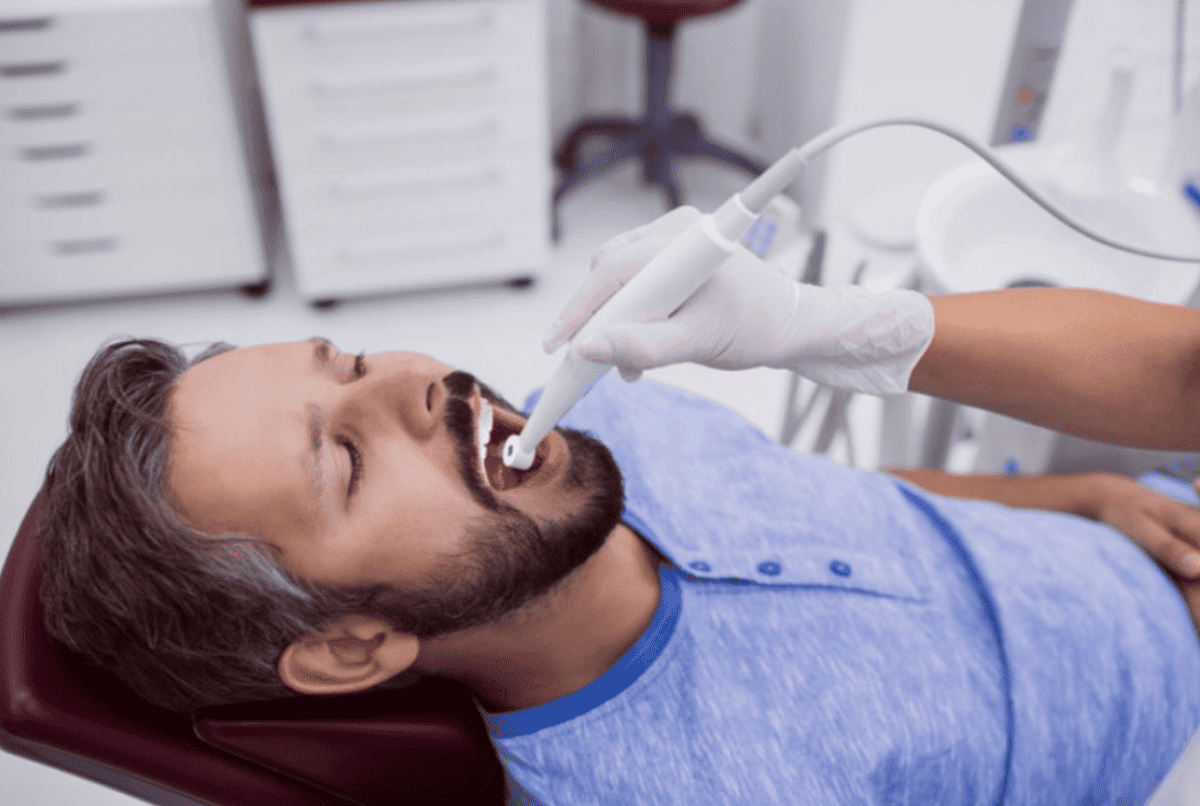
Dentists use ozone gas, a highly reactive form of oxygen, to control bacterial activity and encourage tissue repair. Both medicine and dentistry have documented its antimicrobial properties, and clinical use of the treatment has grown steadily over time. During a session, ozone targets specific problem areas, cleaning and disinfecting teeth or gums without disturbing healthy surrounding tissue.
Its selectivity is one of its more notable features. It acts on areas of concern without disrupting the broader oral environment, which makes it a viable option across a range of dental conditions.
Ozone Therapy Benefits
For patients who prefer dental care that does not rely heavily on chemicals or invasive techniques, ozone therapy has a good deal going for it:
- Bacterial control is achieved through oxygen rather than harsh chemical agents
- Supports the body's natural healing processes without reliance on chemical agents
- Particularly useful for managing minor infections and supporting gum health
- Minimally invasive in nature, with no cutting or drilling involved
- Works with the body rather than against it, supporting natural tissue recovery
- Generally comfortable for most patients, including those anxious about conventional procedures

Who May Be Suitable for Ozone Therapy?
Anyone hoping for a gentler option in dentistry is often a good fit for ozone therapy. Those with minor tooth concerns, patients working through gum recovery, and individuals who prefer to avoid heavy chemical treatments generally find it worth considering. Some patients are drawn to it because it feels closer to a natural approach to oral care.
That said, suitability shifts between individuals. A proper clinical assessment gives the clearest picture of whether this treatment fits a patient's specific needs and circumstances.
How Ozone Therapy Works
Once ozone reaches the targeted area, it acts on bacteria and microorganisms quickly. It breaks down their cellular structure, reducing bacterial load at the treated site without the need for chemical agents. The oxygen released in this process also benefits surrounding tissue, since better oxygen availability tends to encourage the body's own repair activity.
Treatment sessions are generally short, and most patients find the experience comfortable. Dentists typically incorporate ozone therapy as one part of a broader treatment plan rather than a standalone solution.
Ozone Therapy: Common Uses
The range of situations where ozone therapy proves useful is fairly wide. Early-stage tooth decay is one area where it fits well, since addressing the problem before it develops further means a less disruptive process for the patient. Gum treatments are another common application, given that lowering bacterial activity in gum tissue directly supports its recovery.
After certain dental procedures, ozone therapy can also help keep the area clean and encourage healing. Because it works alongside other treatments rather than replacing them, it tends to complement existing plans without complicating them.

Ozone Therapy Cost in Singapore
The cost of ozone therapy in Singapore varies depending on the nature of the concern being treated, the number of sessions required, and how the treatment is incorporated into a broader dental plan. It is not a fixed-price procedure, and patients should expect an individualised cost estimate following a consultation.
To get a clear picture of what treatment is likely to involve for your situation, book a consultation with our clinic. Our team can assess your oral health, discuss the most suitable options, and provide a transparent breakdown of associated costs.
Safety and Patient Experience
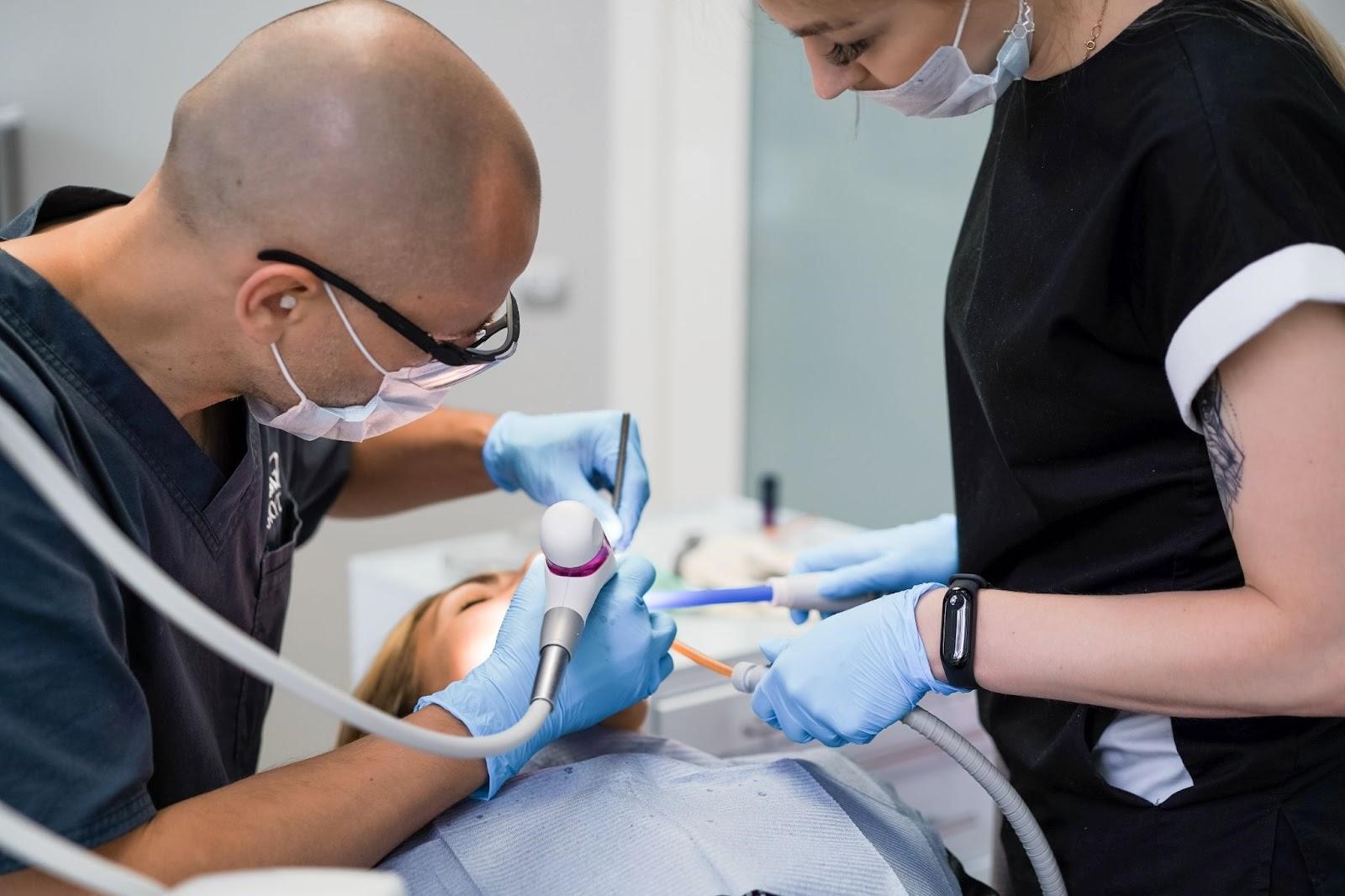
Most patients find the experience quite tolerable, particularly when handled by trained professionals. Ozone treatment carries minimal risk when performed correctly in a clinical setting. Because nothing invasive is involved, recovery time is not a concern, and patients can generally continue with their day straight after the appointment.
The treating dentist monitors the process throughout, keeping both safety and effectiveness on track. For patients who feel uneasy about more conventional procedures, this is often a welcome alternative.
Ozone Therapy vs Traditional Disinfection Methods
| Aspect | Metal-Free Fillings | Traditional Amalgam Fillings |
|---|---|---|
| Material | Composite resin or ceramic | Metal-based alloy |
| Mercury Content | None | Contains mercury |
| Appearance | Tooth-coloured | Metallic grey |
| Biocompatibility | Generally well-tolerated | Variable; may not suit all patients |
| Long-term stability | Good with proper placement | Durable in posterior teeth |
| Patient preference trend | Increasing | Declining |
Conclusion on Ozone Therapy
Ozone therapy brings a practical and measured approach to dental care, addressing bacterial issues while giving the body what it needs to recover on its own terms. It improves tissue conditions, reduces reliance on more aggressive interventions, and keeps patients comfortable throughout. For patients in Singapore who want treatment that is both clinically sound and health-conscious, it is worth serious consideration.
Healthy gums, a smoother recovery, and a more comfortable overall experience are reasonable outcomes when the treatment is delivered correctly and within appropriate clinical guidelines. Get in touch with our clinic to find out whether ozone therapy is right for you.