
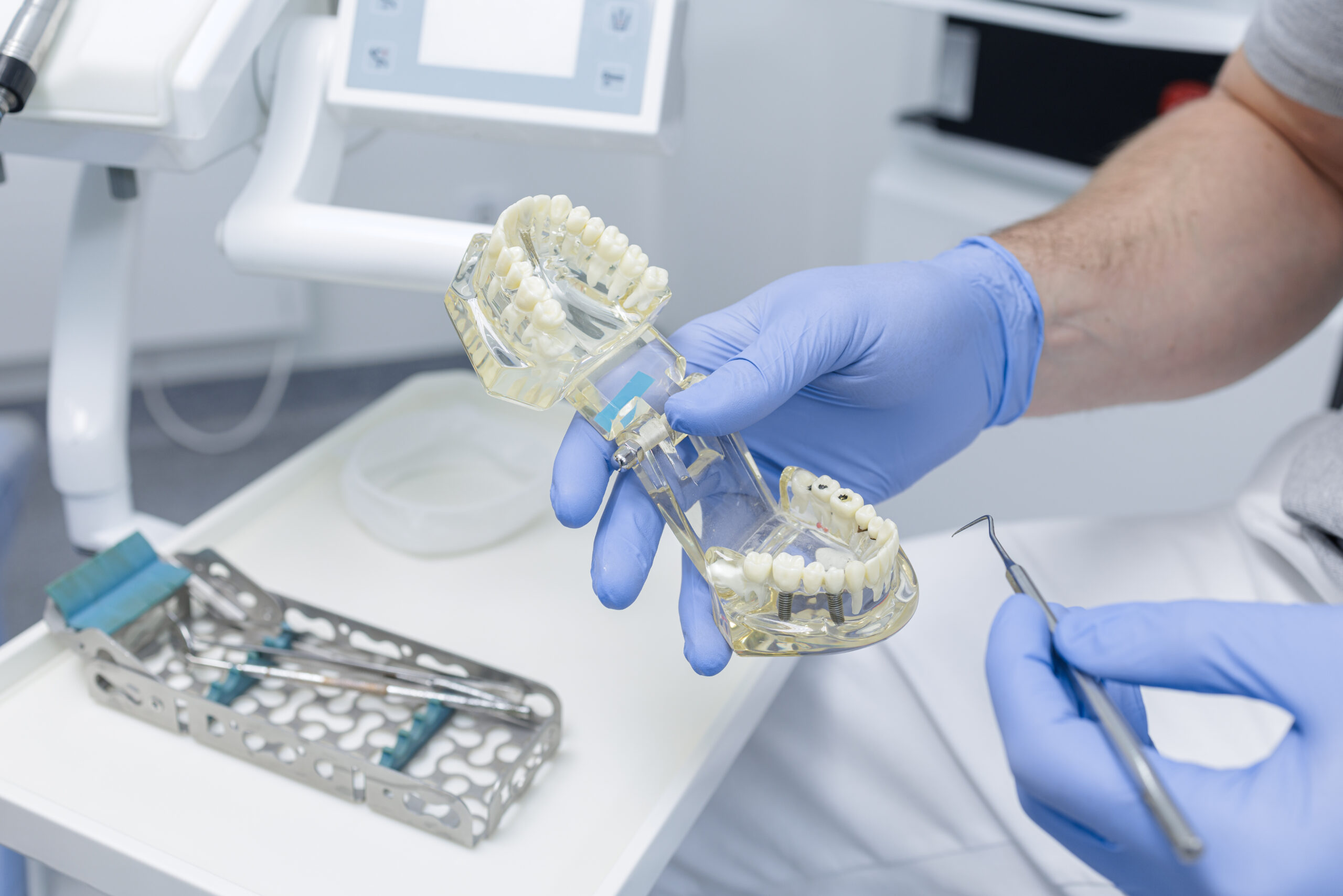
SDS Ceramic Dental Implants: Metal-Free Implants for Tooth Replacement
SDS ceramic dental implants in Singapore are designed for patients seeking a metal-free approach to tooth replacement. Made from high-purity zirconia, these implants are made without metal components and are intended to integrate with the body's natural bone structure.
At Nuffield Dental, we offer SDS ceramic implants as part of our holistic dentistry services.
What Are SDS Ceramic Dental Implants?
SDS ceramic dental implants are tooth replacement fixtures made from zirconia, a high-strength ceramic material. Manufactured by Swiss Dental Solutions, the SDS system includes both one-piece and two-piece ceramic implant designs, giving practitioners flexibility across a range of clinical situations.
Each implant is inserted into the jawbone to anchor a crown or bridge. Unlike conventional titanium implants, zirconia implants contain no metal, which makes them a consideration for patients with metal sensitivities or those who prefer a fully metal-free restoration. The material is designed to integrate with surrounding bone, supporting a stable and lasting result.
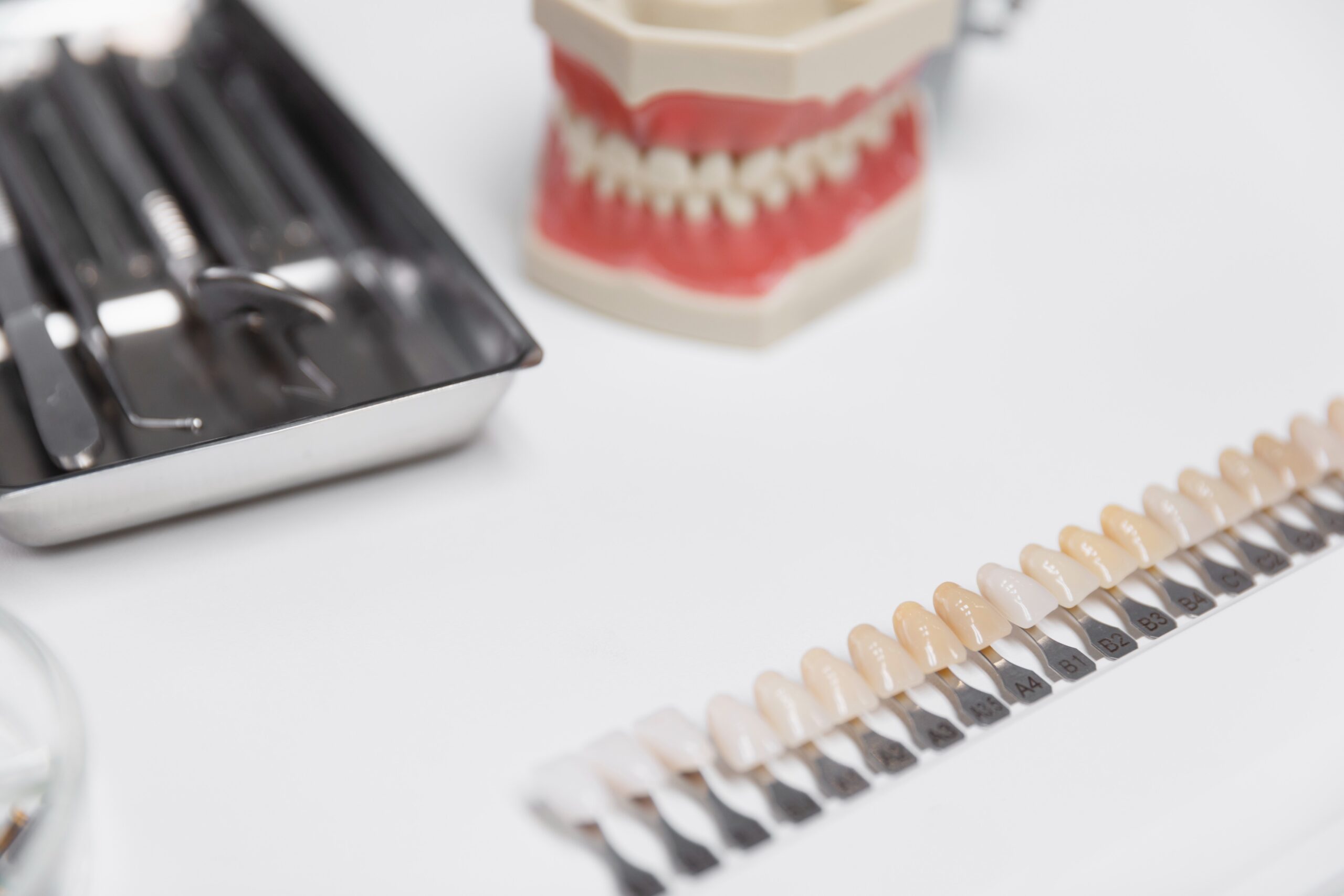
SDS Ceramic Dental Implants Benefits
SDS zirconia implants share the core advantages of ceramic implant materials, and carry several design-specific characteristics that distinguish them from other ceramic implant systems.
- Metal-free construction: No metal ions are released into surrounding tissue, which makes them an option for patients with known metal sensitivities.
- Natural appearance: The tooth-coloured ceramic eliminates the grey margins at the gum line that can sometimes be visible with titanium implants.
- Lower plaque affinity: The smooth ceramic surface is less conducive to bacterial build-up than metal, which may be a factor in long-term gum hygiene.
- Corrosion resistance: Zirconia does not corrode, making it a stable long-term option.
Beyond these shared ceramic benefits, SDS implants have a number of system-specific design features worth noting:
- CleanImplant certified surface purity: The SDS system holds dual CleanImplant certification covering both the manufacturing process and implant surface cleanliness. This is an independent quality standard not all ceramic implant brands hold.
- Dynamic Thread design for primary stability: SDS implants use a Dynamic Thread design that supports strong primary stability at insertion, which is a relevant consideration for osseointegration across varying bone types.
- Tissue-level placement and soft tissue integration: The SDS system is designed for tissue-level placement. The zirconia surface has been shown in histological studies to support soft tissue attachment, helping to maintain healthy gum margins and minimising the micro-gap present in some two-piece implant designs.
- Surface treatment for osseointegration: SDS implants undergo a specific surface treatment intended to promote bone integration. The surface texture is designed to mimic the natural roughness of a tooth root, supporting a secure and stable fit.
- Immediate placement protocol: The SDS system supports an immediate placement protocol in suitable cases, allowing extraction and implant placement in a single session. This is a procedural advantage that reduces the number of visits and limits unnecessary disruption to the surgical site.
It is worth noting that the success of any implant, ceramic or otherwise, depends on individual clinical factors, bone quality, and overall health. A thorough assessment is always the right starting point.
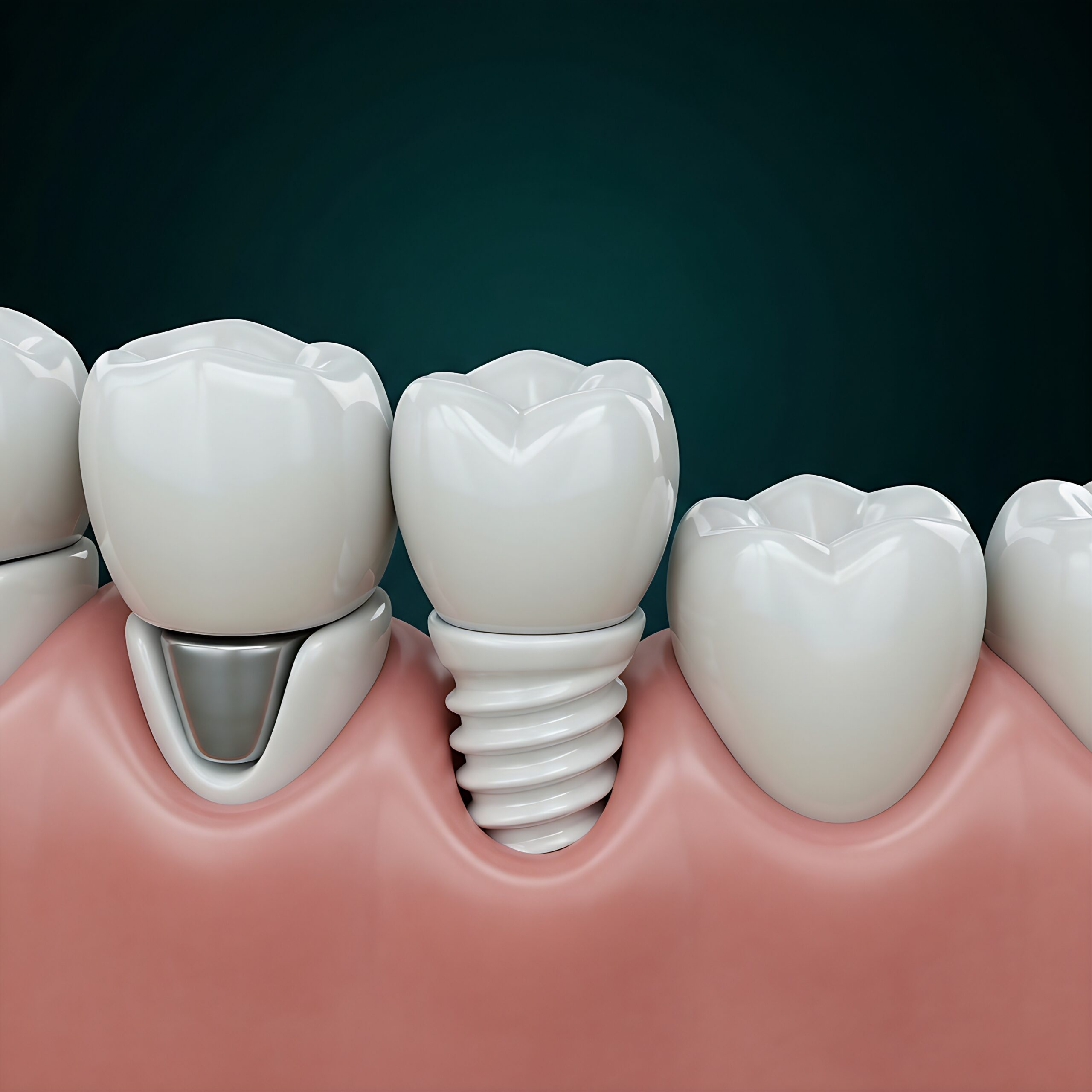
Who May Be Suitable for SDS Ceramic Dental Implants?
SDS ceramic dental implants can be considered by adults with one or more missing teeth who are in generally good health and have sufficient jawbone to support an implant. They are particularly relevant for patients with known metal sensitivities, those who have concerns about metal exposure, or those who prefer a fully metal-free approach to dental restoration.
Suitability does depend on individual factors, including bone density, gum health, and overall medical history. A detailed consultation with our team will determine whether SDS ceramic implants are the appropriate option for your situation.
Why Are SDS Ceramic Dental Implants Biocompatible?
What to Expect from the SDS Ceramic Implant Procedure
The implant procedure begins with careful planning, including imaging to assess bone structure and guide precise placement. The implant is then positioned into the jawbone, where it gradually integrates with the surrounding bone over the healing period.
SDS Ceramic Implants vs Titanium Implants
| Aspect | SDS Ceramic (Zirconia) Implants | Titanium Implants |
|---|---|---|
| Material | 100% zirconia ceramic, no metal | Metal-based alloy |
| Biocompatibility | No metal ion release into surrounding tissues | Generally well tolerated; can be a concern for metal-sensitive patients |
| Aesthetics | Tooth-coloured; no grey margins at gum line | Metallic colour; grey margins may show at gum line |
| Plaque Attraction | Lower; smooth ceramic surface is less conducive to bacterial build-up | Higher relative to ceramic |
| Corrosion | Resistant; no corrosion over time | Possible in the long term |
| Surface Certification | Dual CleanImplant certified for surface purity and manufacturing cleanliness | Varies by manufacturer |
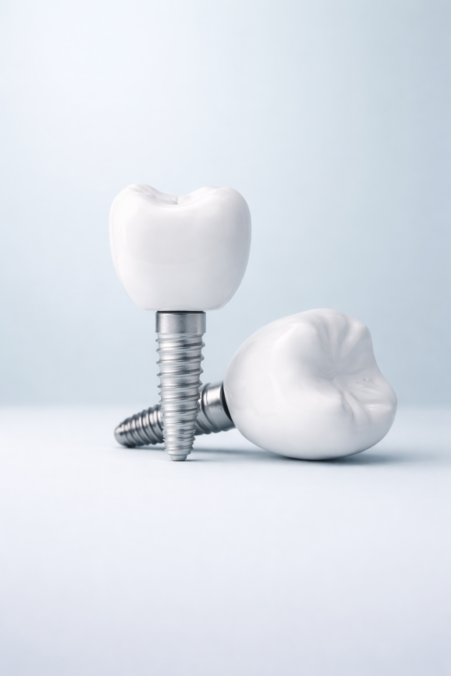
Long-Term Safety and Outcomes
Ceramic implants are resistant to corrosion and do not release particles into surrounding tissue over time. SDS implants are designed to maintain their structural integrity through a precise sintering process that increases material density and resistance to fracture.
Long-term stability also depends on ongoing oral hygiene and regular dental reviews. Patients are guided on the correct care routine to support both the implant and surrounding tissue over time.
SDS Ceramic Dental Implant Cost Singapore
The cost of SDS ceramic dental implants in Singapore varies depending on the number of implants required, the complexity of the case, and any preparatory procedures such as bone grafting. There is no single fixed price, as each treatment plan is tailored to the individual.
We recommend booking a consultation with our team for a proper assessment and a clear outline of expected costs. This ensures the treatment plan is accurate and suited to your specific needs.
Alternatives to SDS Ceramic Dental Implants
Depending on your clinical situation and preferences, other tooth replacement options include:
- Titanium dental implants: A well-established option with a long clinical track record. Suitable for many patients, though not metal-free.
- Dental bridges: A fixed prosthetic that spans the gap left by a missing tooth, anchored to adjacent teeth. Does not require surgery.
- Partial or full dentures: A removable option, typically considered where implants are not suitable or preferred.
Each option carries its own clinical considerations. Our team can walk you through the differences and help you make an informed decision.
Conclusion on SDS Ceramic Dental Implants
SDS ceramic dental implants offer a metal-free approach to tooth replacement that is worth considering for patients with sensitivities or a preference for holistic dental care. The SDS system includes several system-specific design features, among them CleanImplant-certified surface quality, Dynamic Thread design for primary stability, and a tissue-level placement approach that supports soft tissue integration.