Pinhole Surgery: An Option for Receding Gums
Gum recession happens when gum tissue gradually pulls away from the teeth, leaving root surfaces exposed. The causes vary: aggressive brushing, periodontal disease, teeth grinding, and genetics can all play a role, sometimes in combination. Left untreated, exposed roots become more sensitive to hot and cold, are more prone to decay, and over time can affect the long-term stability of the teeth.
Pinhole surgery offers a way to address recession without the incisions and sutures associated with conventional grafting. At Nuffield Dental, our approach is guided by the same holistic principles that inform all the care we provide, treating recession while preserving as much of your natural tissue as possible.
What Is Pinhole Surgery?
Pinhole surgery, formally known as the Pinhole Surgical Technique (PST), is a modern, low-trauma method for treating receding gums. Rather than removing tissue from elsewhere in the mouth for grafting, the technique works with the existing gum tissue, repositioning it to cover exposed tooth roots.
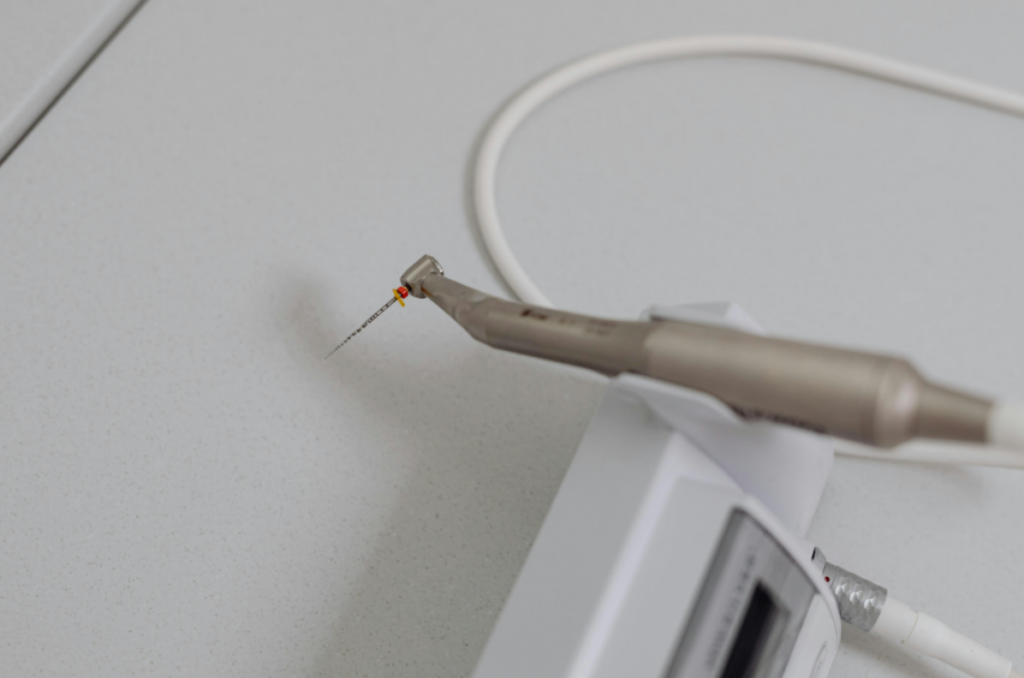
A small entry point is made in the gum using a specialised instrument. Through this opening, the tissue is gently loosened and guided into place over the affected roots. No cuts, no grafts, no sutures. The result is meaningful root coverage with considerably less disruption to the surrounding tissue.
Pinhole Surgery Benefits
Pinhole gum surgery offers several advantages over traditional approaches to treating gum recession:
- No incisions or sutures, which reduces discomfort during and after treatment
- Shorter recovery period compared with conventional gum grafting
- Natural tissue is preserved rather than removed or replaced
- Multiple areas can often be treated in the same appointment
- Visible improvement in gum appearance in most cases
- Lower risk of post-operative complications due to the no-incision, no-suture approach
Who Is Suitable for Pinhole Surgery?
Pinhole surgery for gum recession is well suited to patients with mild to moderate recession who are in reasonable overall oral health. It is particularly worth considering for those who have been advised to treat recession but want to avoid a more involved surgical procedure.
Gum thickness and tissue quality are assessed during consultation, as these affect how well the tissue can be repositioned and how stable the outcome will be. Your dentist will advise whether this technique suits your specific situation, or whether an alternative approach would serve you better.
Pinhole Surgery Procedure
Before the procedure begins, a local anaesthetic is applied to the treatment area. Most patients report feeling pressure rather than pain once this takes effect. Your dentist will confirm you are comfortable before proceeding.
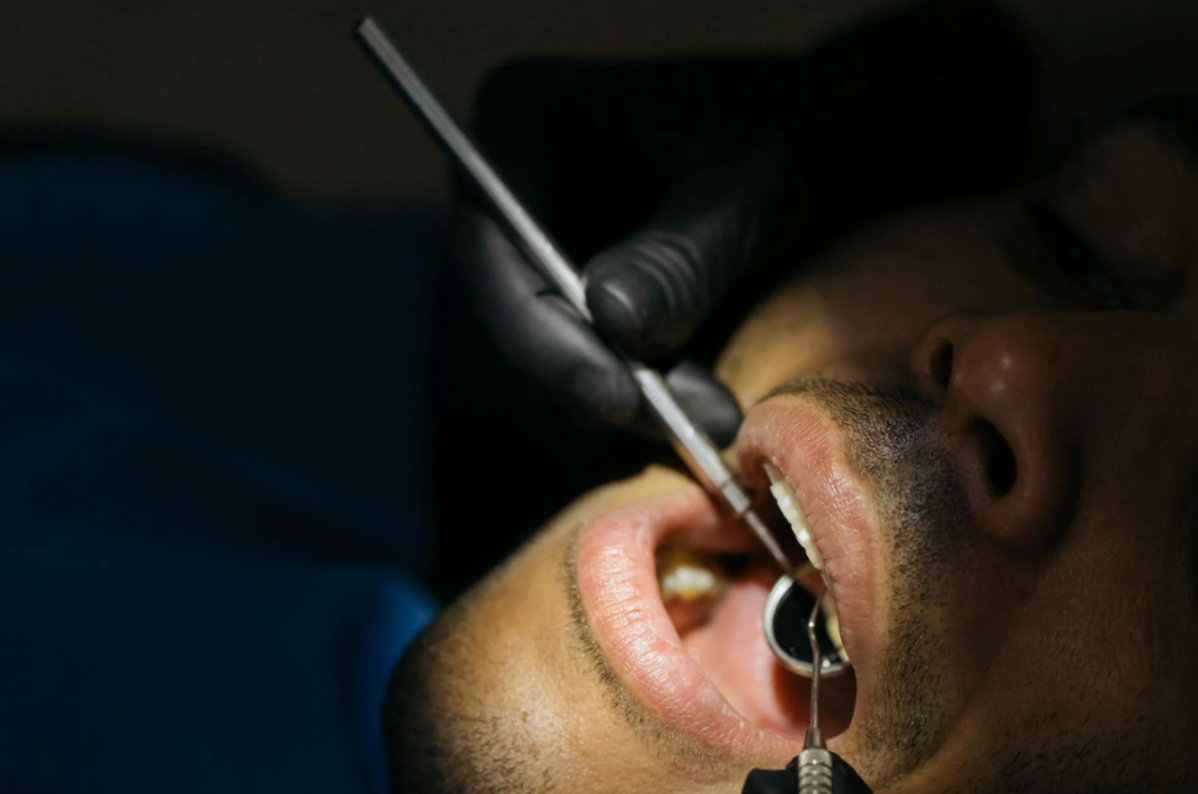
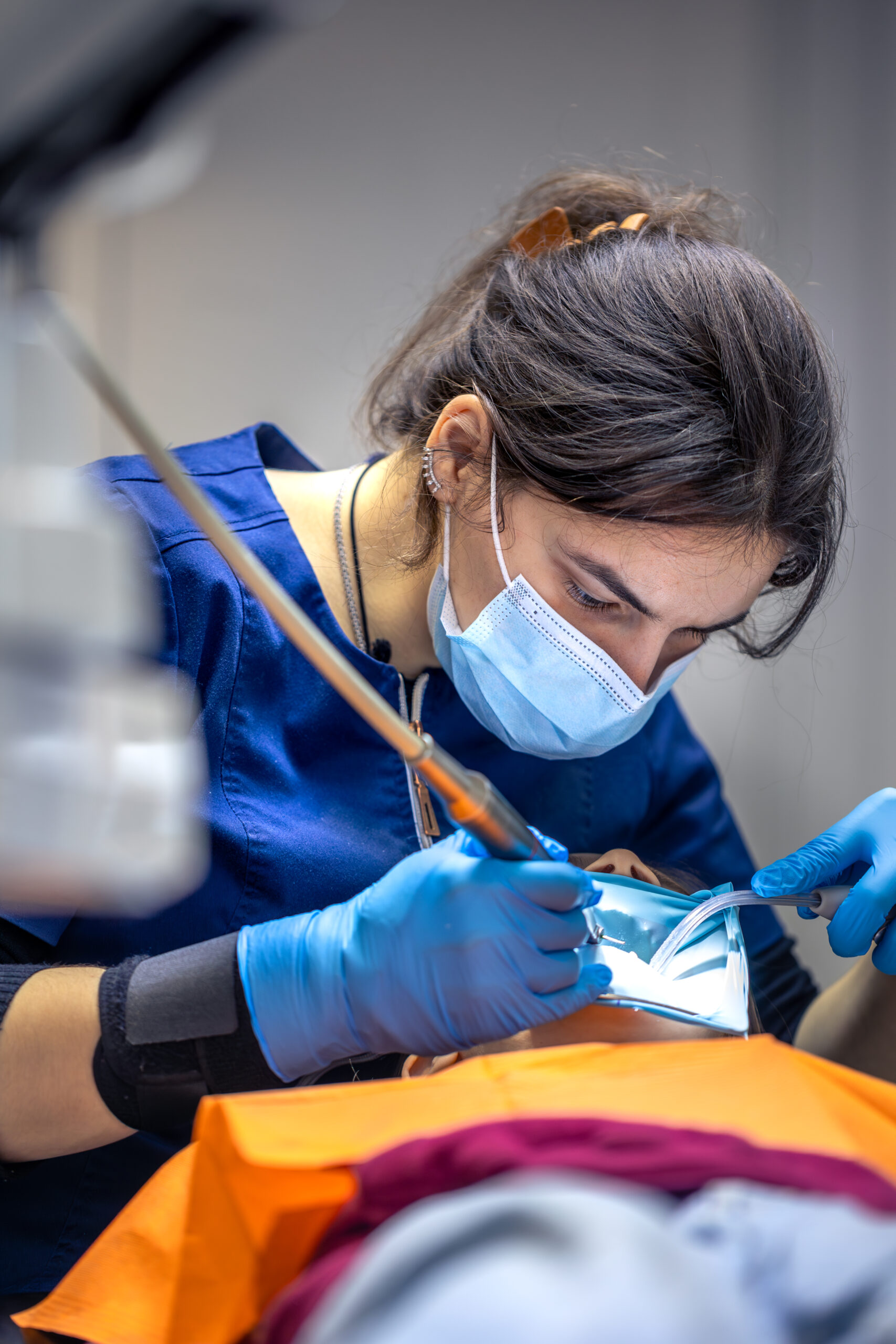
A single small pinhole is made in the gum above the affected teeth using a fine, specialised needle. Through this entry point, instruments are used to gently loosen the connective tissue that anchors the gum. The tissue is then carefully guided downward to cover the exposed root surfaces. Collagen strips are placed through the pinhole to help support the repositioned gum and encourage it to stabilise in its new position.
The entry point is small enough that no sutures are needed. The whole process is precise and contained, and multiple adjacent teeth are typically treated in the same visit. Most appointments take between one and two hours depending on how many sites are being addressed.
Pinhole Surgery Safety and Aftercare
Because no incisions are made and no donor tissue is harvested, the risk profile of pinhole dental surgery is generally lower than that of traditional gum grafting. There is no second wound site to manage, which is one of the main sources of post-operative discomfort with conventional grafting.
In the first few days after treatment, some mild soreness and swelling around the treated area is normal. Sticking to soft foods during this period reduces pressure on the gums while they settle. Avoid hard, crunchy, or very hot foods for at least the first week.
For oral hygiene, use a soft-bristled toothbrush and gentle technique around the treated sites. Your dentist will advise on when to resume normal brushing and flossing in those areas. An antibacterial mouthwash is often recommended during the initial healing phase.
Pinhole Surgery Cost Singapore
The cost of pinhole surgery in Singapore varies depending on the number of teeth involved, the severity of the recession, and any preparatory treatment required. There is no single fixed fee, as each case is assessed individually.
During your consultation at Nuffield Dental, we will provide a clear treatment plan with transparent pricing before any work begins. If you have questions about fees or payment options, our team is happy to walk you through our patient journey.
Alternatives to Pinhole Surgery
Pinhole surgery is one of several options for treating gum recession. Depending on the severity and cause of your recession, your dentist may discuss:
- Connective tissue grafting, where tissue taken from the palate is sutured over the exposed roots
- Free gingival grafting, a similar approach often used where gum tissue is very thin
- Guided tissue regeneration, which encourages regrowth of supporting bone and tissue
- Improved brushing technique, which in early or mild recession can slow or stop further loss
Not everyone is a candidate for the pinhole technique. Where tissue thickness or the degree of recession makes it unsuitable, grafting tends to produce a more stable result.
Pinhole Surgery vs Traditional Gum Grafting
| Pinhole Surgery | Traditional Gum Grafting | |
|---|---|---|
| Incisions required | No | Yes |
| Sutures | Not required | Required |
| Tissue handling | Existing tissue repositioned | Donor tissue harvested and grafted |
| Recovery period | Shorter | Longer |
| Multiple sites in one visit | Often possible | Usually staged across visits |
| Post-operative discomfort | Generally mild | Moderate, especially at donor site |
Conclusion on Pinhole Surgery
For patients dealing with gum recession, pinhole surgery offers a well-established, low-disruption route to treatment, one that works with the body's own tissues rather than against them. The results can be both functional and cosmetically meaningful, with a recovery period that most patients find considerably more manageable than conventional grafting.