
Amalgam Filling: Uses, Safety, and Replacement Options
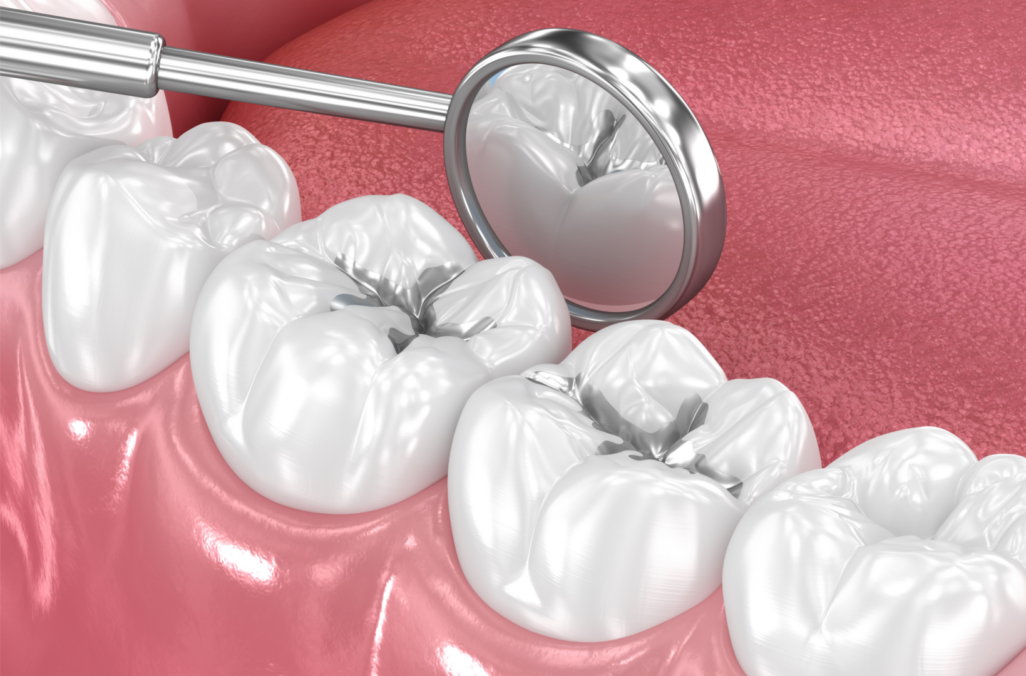
Amalgam filling is a type of metal filling that was commonly used in the past due to its durability. Today, patients with an older amalgam filling may wish to understand what it is, how it functions, and when replacement or removal may be considered as part of a broader treatment plan.
What is Amalgam Removal?
Amalgam Removal Benefits
Amalgam removal may be considered by patients who want to replace older metal fillings as part of a broader treatment plan. In some cases, it also creates an opportunity to review the condition of the tooth and decide on a more suitable restorative material. The process is usually planned with attention to tooth preservation, function, and the next stage of care. Patients with an existing amalgam filling may consider replacement as part of a broader restorative plan.
How Amalgam Filling Fits Into Holistic Dental Planning
Within a holistic dental approach, an amalgam filling may be discussed in relation to material compatibility, treatment planning, and long-term oral health. This approach generally places emphasis on preserving tooth structure where possible and choosing materials with the wider treatment plan in mind. It may appeal to patients who want their restorative care to be considered as part of their overall oral health strategy.
Who May Have an Amalgam Filling Replaced?
Patients with an older amalgam filling may wish to explore other restorative materials. It may also be discussed in cases where the existing filling is worn, damaged, or no longer suitable for the tooth. Whether removal is appropriate depends on the condition of the tooth, the filling, and the wider treatment plan.
Why Safe Mercury Amalgam Removal Matters
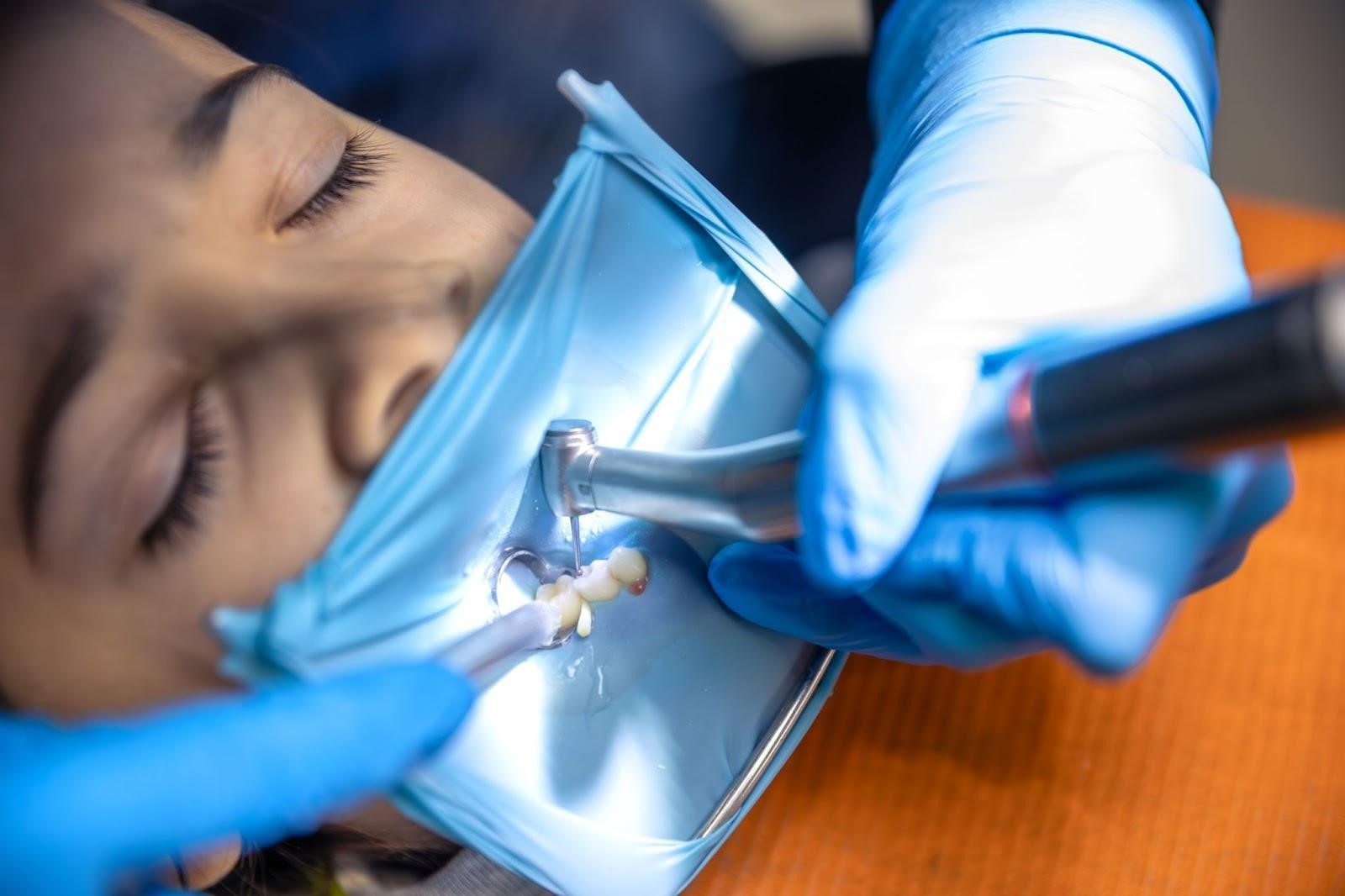
When an amalgam filling is being removed, a controlled approach is generally used to reduce unnecessary exposure. Protective measures such as isolation techniques and suction systems may be used during the procedure to reduce unnecessary exposure. Careful handling of the removed material is also part of the process. The focus is on carrying out the procedure in a stable and well-managed way rather than simply removing the filling as quickly as possible.
Role of Temporary Dental Prostheses in Singapore
Temporary dental prostheses may be used after metal fillings are removed to protect the tooth while the next stage of treatment is being planned. They help maintain bite, form, and short-term function during the observation period. In some cases, they also allow the dentist to monitor how the tooth responds after removal before placing the final restoration.
Amalgam Filling Replacement Cost
The cost of amalgam removal in Singapore can vary depending on the number of fillings being removed, the complexity of the case, the protective measures required during treatment, and whether temporary or final restorations are needed afterward. A proper assessment is usually needed to determine suitability and provide a personalised treatment plan.
Temporary Dental Prostheses vs Final Dental Prostheses
| Aspect | Temporary Dental Prostheses (Temporary Restorations) | Final Dental Prostheses (Permanent Restorations) |
|---|---|---|
| Purpose | Short-term to medium-term protection | Long-term solution |
| Function | Maintains bite and form | Restores full function and aesthetics |
| Material | Interim materials | Composite or ceramic |
| Duration | Weeks to months | Long-term use |
| Flexibility | Allows adjustments | Fixed outcome |
What Happens If an Amalgam Filling Is Removed?
An amalgam filling may remain suitable in some cases, while in others, replacement may be considered depending on the condition of the tooth and the wider treatment plan. During the procedure, protective measures may be used to manage exposure and maintain a controlled working environment. Once the filling has been removed, the tooth may be stabilised with a temporary restoration if needed. Follow-up visits may then be used to review healing, monitor the tooth, and plan the final restoration.

Conclusion on Amalgam Removal
An amalgam filling may remain serviceable in some cases, while in others, replacement may be considered based on the condition of the tooth and the wider treatment plan. Amalgam removal usually begins with a consultation and assessment of the existing fillings and the overall condition of the mouth. During the procedure, protective measures may be used to manage exposure and maintain a controlled working environment. Once the filling has been removed, the tooth may be stabilised with a temporary restoration if needed. Follow-up visits may then be used to review healing, monitor the tooth, and plan the final restoration.