Jawbone Ischemic Changes & Osteonecrosis
Understanding Chronic Jawbone Conditions and When Evaluation Is Helpful Persistent jawbone discomfort or unexplained oral symptoms can be concerning — especially when routine dental examinations and X-rays don’t reveal a clear source. At Nuffield Dental Jewel, we assess deeper jawbone changes with a rigorous, evidence-aligned approach to determine whether surgical or conservative management may be appropriate.
This page explains:
- What ischemic bone changes are
- Why they may occur
- How we evaluate theme
- Your treatment options
What Are Ischemic Bone Changes in the Jaw?
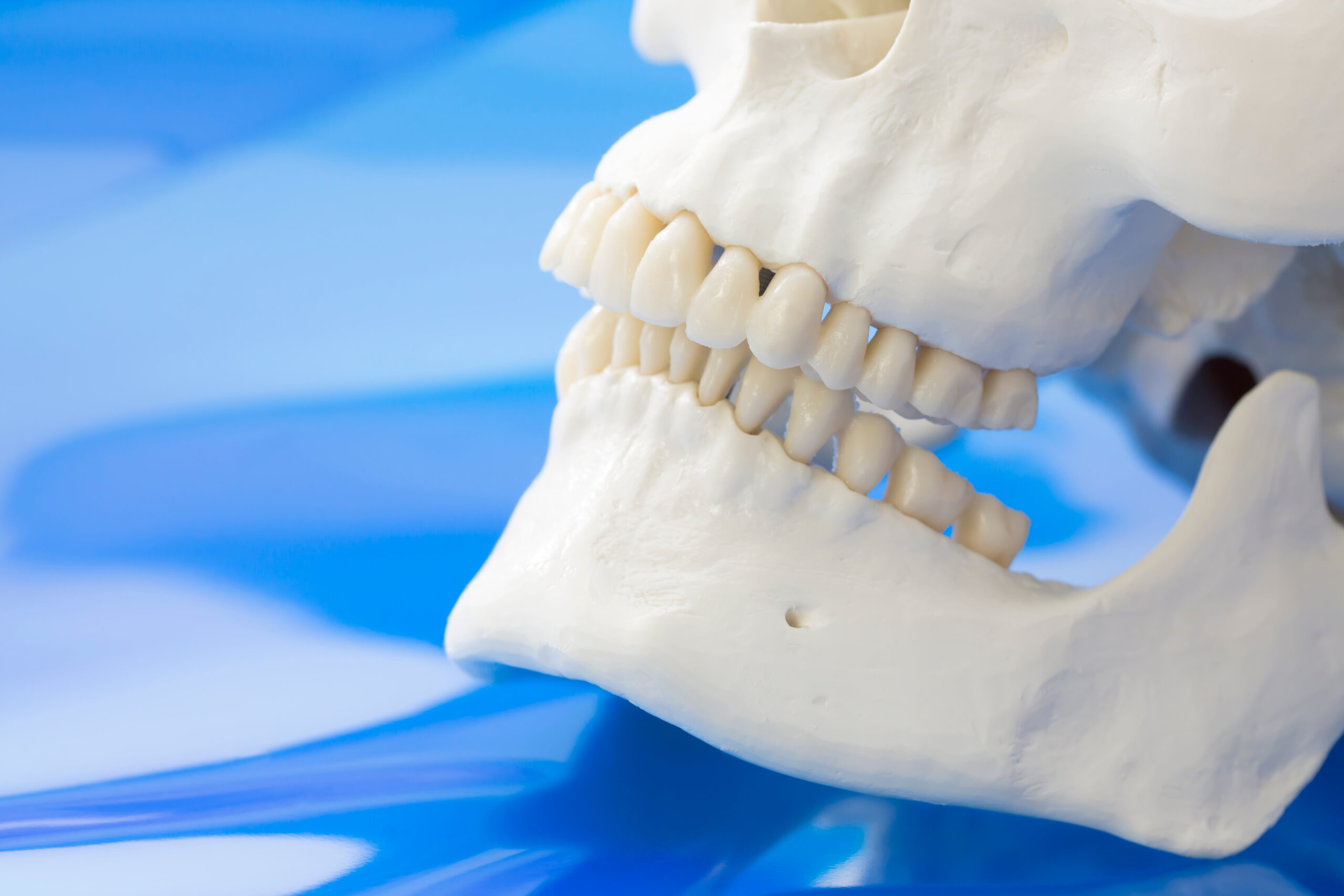
Ischemic bone changes refer to areas of bone where blood supply may be reduced — leading to delayed healing or chronic inflammation. This occurs when bone tissue isn’t receiving a sufficient vascular supply, which can interfere with natural repair processes. In everyday dental practice, minor levels of bone change are often incidental and clinically insignificant. However, in a small number of cases, more pronounced changes can be associated with persistent symptoms and warrant careful evaluation.
Why These Changes Matter
Bone health is essential to:
- Support teeth and dental implants
- Maintain periodontal stability with stand functional forces
- Facilitate normal healing after surgery
When bone circulation is compromised over time, it can contribute to:
- Delayed wound healing
- Persistent discomfort
- Localized bone changes seen on imaging sites that respond unpredictably to dental treatment
It is important to note that not all bone changes are symptomatic or require surgery.
What We Evaluate
We take a structured, cautious approach before recommending any surgical intervention. This may include:
Detailed Symptom History
We listen to your experiences, timelines, triggers, and patterns.
Clinical Examination
This includes careful assessment of gum health, bite function, and soft tissue.
Advanced 3D Imaging (CBCT)
3D imaging allows precise evaluation of bone density, internal architecture, and subtle changes beneath the surface that 2D X-rays may miss.
Correlation With Symptoms
Imaging findings are always interpreted in context — not in isolation.
When Such Changes May Be Noticed
These bone changes may be considered for evaluation when you:
- Have persistent jaw discomfort without an obvious dental cause experience localised pain after an extraction or surgery
- Have symptoms that do not align with routine gum or TMJ diagnoses
- Have imaging changes with a pattern that warrants further investigation
- Have limited response to conventional periodontal or endodontic care
However, imaging findings alone do not automatically mean surgery is needed.
Symptoms, clinical exam, and risk–benefit assessment guide care.

Conservative First, Surgery Only If Indicated
Our guiding principle is - Address symptoms and biology first — consider surgery only if there is clear functional need.
1. Non-Surgical Management
- Improved oral hygiene regimens
- Anti-inflammatory strategies
- Bite and functional assessment
- Referral for non-dental causes if indicated
2. Surgical Evaluation
Surgery to remove non-vital bone tissue is only considered when localized bone changes correspond reliably with symptoms other causes have been ruled out the likelihood of benefit outweighs the surgical risk you have a clear understanding of expected outcomes.
Surgical plans are always personalised, staged appropriately, and explained in detail.
What Biological Surgery Involves
When surgery is recommended, principles include:
- Thorough removal of non-functional bone
- Preservation of healthy structures
- Minimisation of trauma
- Preparation of sites for future restorative work when needed
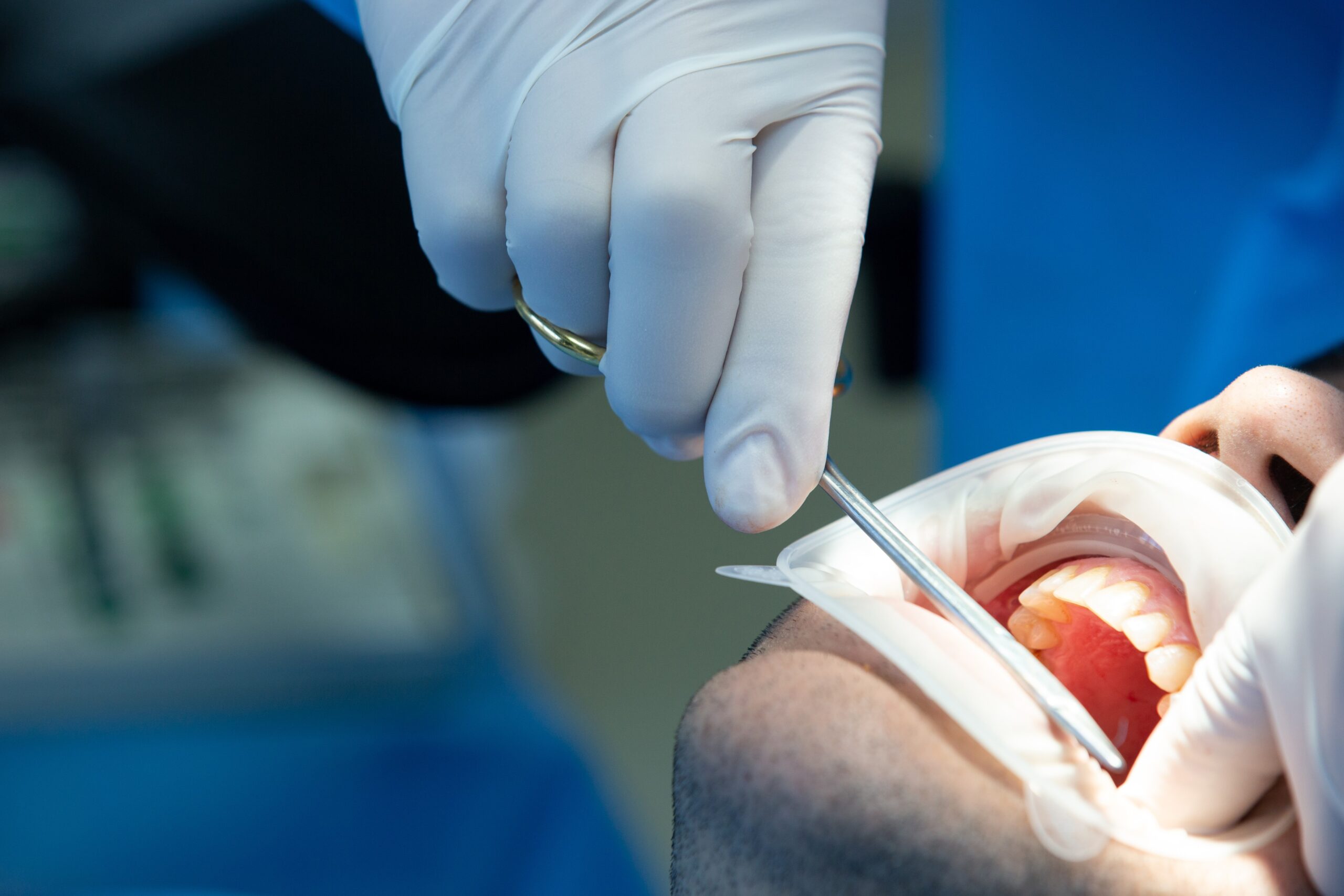
Surgery is performed with safety and healing priorities at the forefront. Regenerative support (e.g., PRF) may be included when indicated.
What This Condition Is Not
It’s important to be clear this is not a systemic disease treatment
- It is not a diagnosis applied lightly
- It does not imply all jaw pain originates from bone
- It does not guarantee surgery or any specific outcome
Our emphasis is on evaluation, correlation with symptoms, and careful decision making.
Recovery & Follow-Up
Depending on the degree of intervention, your recovery plan may include:
- Personalised aftercare instructions
- Guided wound healing support
- Periodontal monitoring
- Imaging follow-up if needed
- Staged restorative planning
Patient comfort and healing are carefully supported throughout.

Nuffield Dental Jewel
Why Choose Nuffield Dental Jewel for Jawbone Evaluation
Patients appreciate our approach because we:
- Prioritise accurate diagnosis over quick interventions
- Use advanced imaging and assessment tools
- Explain pros, cons, and alternatives clearly
- Integrate surgical decisions with broader dental needs
- Focus on measurable outcomes and functional success
Your care journey is built around clarity, safety, and long-term oral health.