SINGAPOREAN Titanium Implant Removal
Titanium Implant Removal: When It May Be Considered
Titanium implant removal may be considered when a dental implant is no longer doing well in the mouth. This could happen because of ongoing pain, inflammation, problems affecting the surrounding gum or bone, or issues with the implant itself. Before deciding on removal, the dentist will usually assess what is happening around the implant and whether it can still be managed in another way. If removal is needed, the next step will depend on the condition of the site, the reason for the problem, and the overall treatment plan.
What is Titanium Implant Removal?
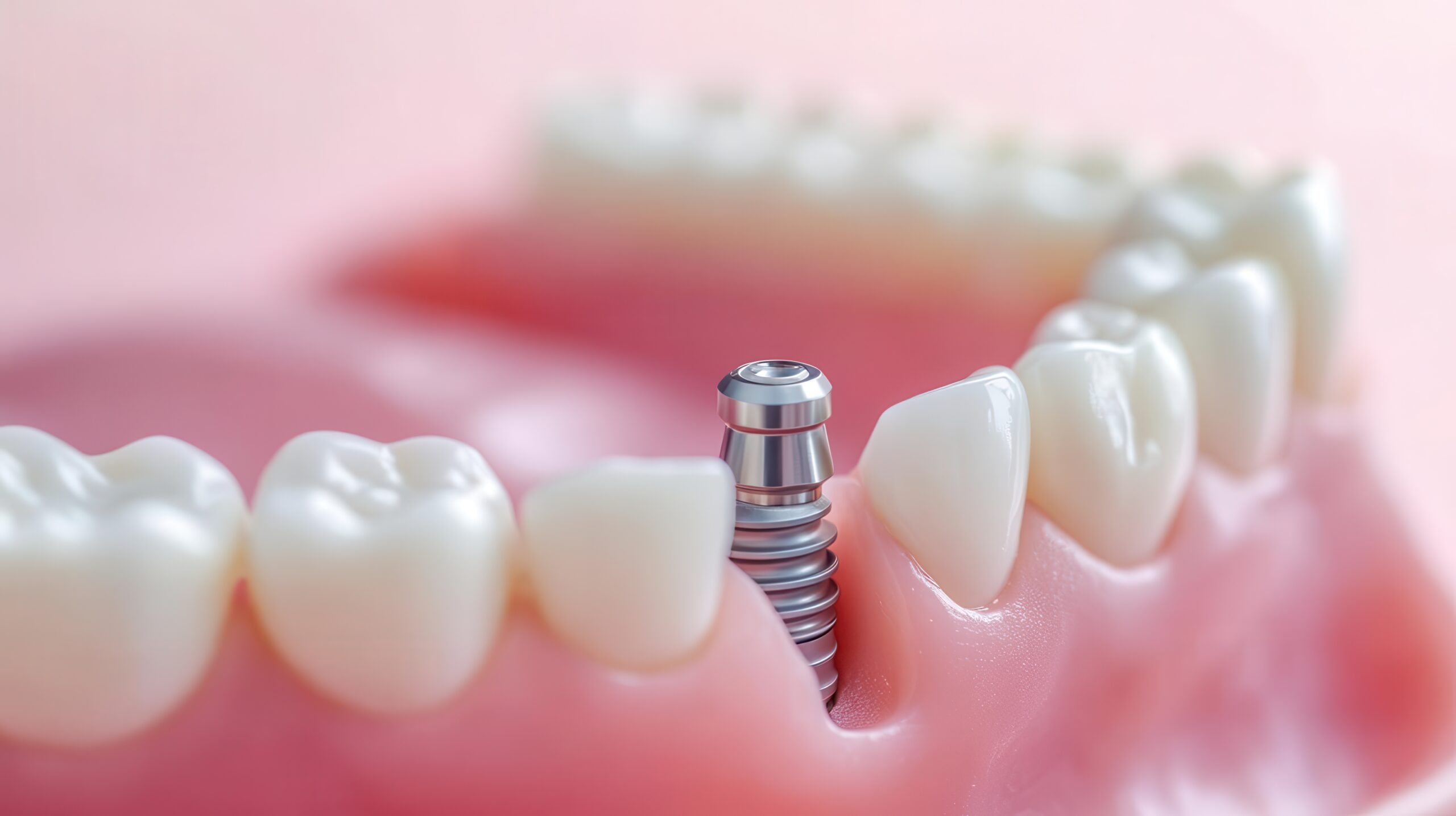
Titanium implant removal is a procedure used to remove a dental implant when it is no longer considered suitable for the patient’s condition or treatment plan. Although titanium implants are widely used, some patients may develop problems over time, including pain, inflammation, or other implant-related concerns. Dentists assess each case based on clinical findings, symptoms, and the condition of the surrounding tissue. Removal is usually carried out in a controlled way to reduce unnecessary disruption to nearby bone and soft tissue, and where possible, less invasive techniques such as reverse torque may be considered first. The aim is to manage the issue while supporting recovery and future treatment planning.

dental implants
Titanium Implant Removal Benefits
Before any removal is planned, we conduct a thorough evaluation that typically includes:
- Persistent pain or discomfort that does not settle as expected
- Inflammation or peri-implantitis affecting the gum and supporting bone
- Implant fracture, loosening, or other mechanical complications
- Implant angulation or position that makes restoration difficult
- The need to reassess whether a different treatment plan is more suitable
After Removal
Who May Be Suitable for Titanium Implant Removal?
Titanium implant removal may be considered when patients have symptoms or complications that do not settle with other forms of management. These may include ongoing inflammation, pain, or concerns involving the surrounding gum and bone. In some cases, patients may also report concerns about material sensitivity. Not all implants need to be removed, and many remain stable without problems. A decision to remove an implant is usually based on a clinical assessment of both local and general factors. This helps avoid unnecessary treatment and supports more appropriate decision-making. This may include the extent of bone loss, whether the implant can still be maintained predictably, and whether future re-treatment is being considered.
Titanium Implants Removal Cost
The cost of titanium implant removal in Singapore can vary depending on the position of the implant, the complexity of the removal, the condition of the surrounding bone and gum tissue, and whether any additional treatment is needed afterward. It may also vary depending on whether site preservation, bone grafting, or later replacement treatment is part of the wider plan. A proper assessment is usually needed to determine suitability and provide a personalised treatment plan.

Nuffield Dental Jewel
Titanium Implant Removal Process
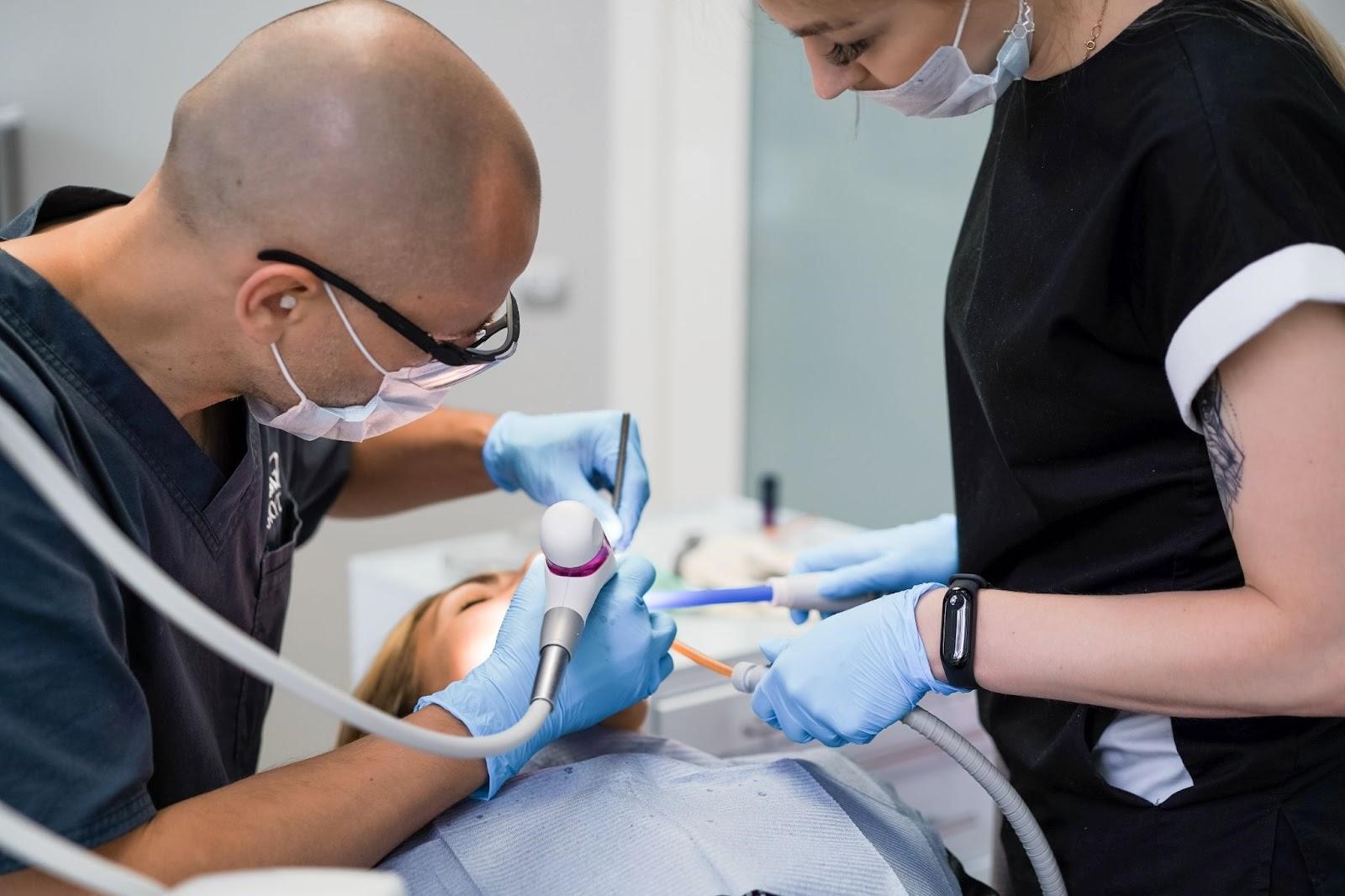
Titanium implant removal is usually carried out in a structured and carefully planned way. The process begins with a consultation and assessment of the implant, surrounding tissue, and overall clinical condition. If removal is advised, the implant is removed using instruments and techniques chosen for the case. In some situations, a counter-torque technique may be used because it can be less invasive than trephine-based removal. Care is taken to limit unnecessary disruption to nearby structures. After removal, the site is monitored and managed to support healing. Follow-up care may also be needed before any further treatment is considered.
Titanium Implants Alternatives
After titanium implant removal, the next step depends on how the area heals, whether replacement is appropriate, and what suits the patient’s overall treatment plan. Possible alternatives may include:
- Ceramic dental implants for patients who are considering a metal-free replacement option
- A delayed implant replacement if the site needs time to heal before another implant is considered
- Bone grafting or site preservation where support for future replacement needs to be improved
- A dental bridge in cases where an implant is not the preferred next step
- A removable denture depending on the number of missing teeth and the overall restorative plan
The most suitable option depends on the condition of the gum and bone, the reason the implant was removed, and whether the site is ready for further treatment.
Titanium Dental Implants vs Ceramic Dental Implants
| Aspect | Titanium Implants | Ceramic Dental Implants |
|---|---|---|
| Material | Metal-based | Non-metallic |
| Biocompatibility | Suitable for many patients | Ideal for sensitive cases |
| Aesthetics | Metallic base | Tooth-coloured appearance |
| History of Use | Long-standing use | Increasing adoption |
| Suitability | General cases | Material-sensitive patients |
Conclusion on Titanium Implant Removal
Titanium implant removal is usually only considered when there is a clear reason to take the implant out. Once it has been removed, the area may need time to heal before any further treatment is discussed. In some cases, another replacement option may be considered later on, but that depends on the condition of the gum and bone, the reason for removal, and the overall treatment plan.